The best ergonomic chair for marfan syndrome in 2026 combines a tall backrest (28"+), adjustable lumbar that reaches the low thoracic curve, a deep seat pan with a waterfall edge to protect long femurs, and a recline mechanism with synchronized tilt to reduce sustained aortic root pressure. For tall, thin frames common in Marfan syndrome, look for a seat height range that extends to 22" or higher, narrow-but-padded armrests that drop low enough for long arms, and a headrest that supports the cervical spine without forcing forward flexion. Pair the chair with a sit-stand desk so you can change posture every 30–45 minutes, which is widely recommended by cardiologists managing aortic risk.
Why Marfan Syndrome Demands a Specialized Seating Setup
Marfan syndrome is a connective tissue disorder that produces a recognizable phenotype: above-average height, disproportionately long limbs (dolichostenomelia), arachnodactyly, scoliosis or kyphoscoliosis, pectus deformities, and — most critically — aortic root dilation that places patients at risk for dissection. A standard office chair built for a 50th-percentile adult almost never fits this body type. The seat pan is too short for long thighs, the backrest tops out below the shoulder blades, the lumbar curve sits in the wrong vertical zone, and armrests fail to elevate enough to support arms that may measure 6–12 cm longer than typical span-to-height ratios predict.
Beyond fit, the cardiovascular dimension matters. Cardiologists managing Marfan patients often advise against isometric strain, prolonged Valsalva-like postures, and sustained static loading of the trunk. A poorly fitted chair encourages slumping, which compresses the thoracic cavity, reduces venous return, and can spike systolic blood pressure during recovery from each shift in position. The right ergonomic chair for marfan syndrome reduces this static load by enabling micro-movements, encouraging an open chest posture, and supporting the lumbar and thoracic spine simultaneously — critical when scoliosis is present.
Key Specifications to Look For in 2026
Tall Backrest with Adjustable Lumbar Height
A backrest of 28–34 inches is the minimum for users above 6'2". The lumbar pad should slide vertically over a 4–6 inch range so it can be tuned to where your natural lordosis sits — in many tall Marfan users that landmark is 2–3 inches higher than the chair's factory default. If you have a thoracic curvature, the upper backrest should be slightly flexible rather than rigid to avoid pressure points along the spinous processes.
Seat Pan Depth and Waterfall Edge
Femur length in Marfan adults frequently exceeds 50 cm. A 20–22 inch seat depth, ideally with a sliding seat pan, prevents the front edge from cutting into the popliteal fossa behind the knee. A waterfall (rolled) front edge is non-negotiable; sharp edges restrict popliteal blood flow and have been anecdotally linked by patients to leg fatigue during long workdays.
Synchronized Recline and Aortic Comfort
Cardiologists often recommend a slight posterior recline (100–110°) during deep-work intervals because it reduces compressive load on the chest wall and may modestly decrease afterload at the aortic root. A synchronized tilt with adjustable tension lets a 6'4", 165-pound user engage the recline without fighting a mechanism calibrated for someone heavier.
Armrest Range and Headrest Geometry
4D armrests (height, width, depth, pivot) are ideal. Long arms need armrests that can elevate to roughly 11 inches above the seat and slide inward to keep elbows close to the trunk. A height-and-angle-adjustable headrest preserves a neutral cervical posture, which matters for Marfan users who may also have cervical spine instability.
Complementary Standing Desks: Why They Belong in This Setup
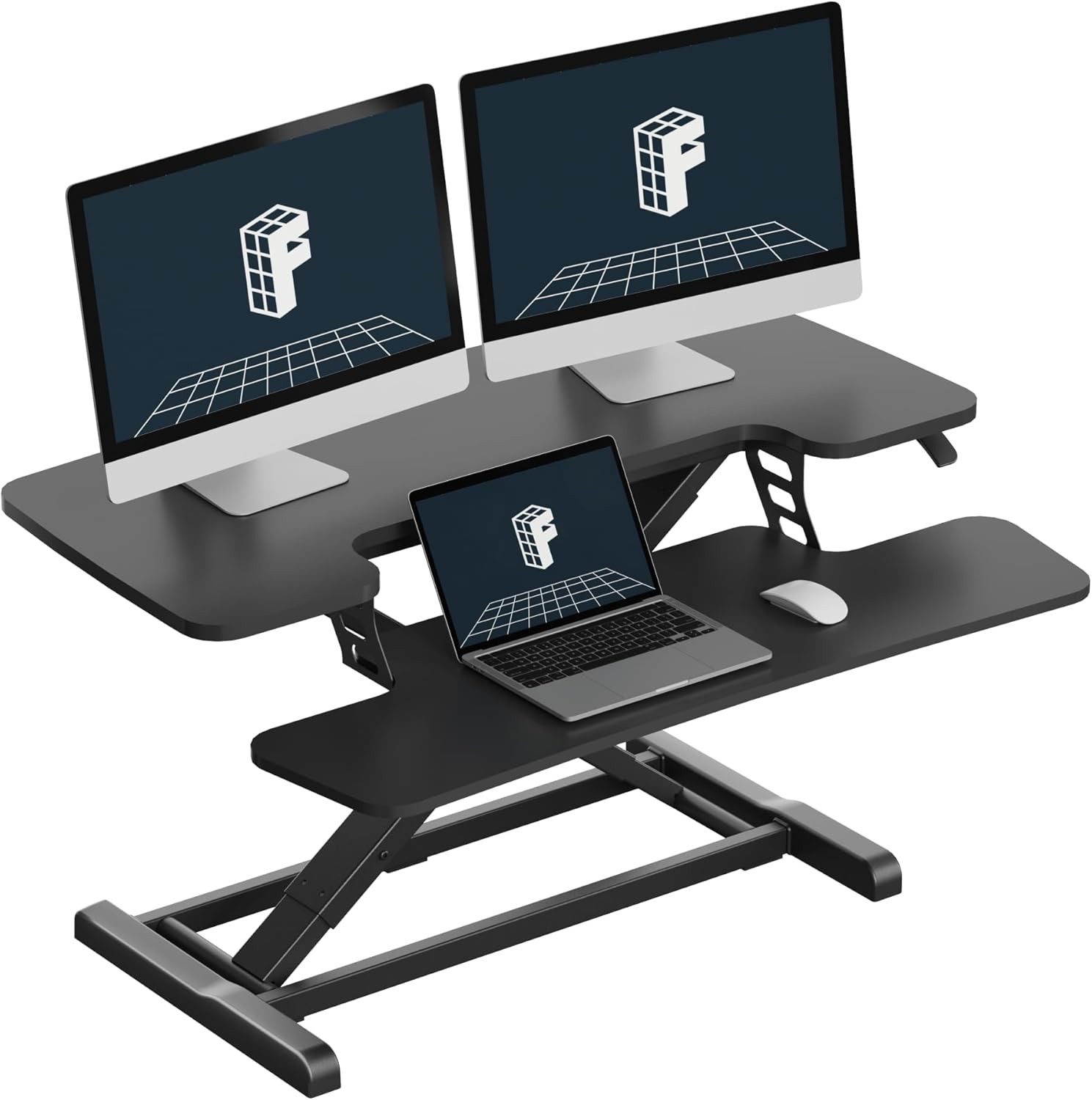
No chair alone solves the problem. The single most consistent recommendation from occupational therapists working with Marfan patients is alternation — 30–45 minutes sitting, then 10–20 minutes standing or walking. A height-adjustable desk makes that schedule realistic. For very tall users, look for a desk with a maximum height of 48" or higher, a stable frame that doesn't wobble at extended height (a common failure mode of cheaper units), and memory presets so you don't fumble with the controller every cycle. See our companion guide on standing desk height for tall users for the geometry math.
Comparison: Standing Desk Companions for a Marfan-Friendly Workstation
| Model | Width | Max Height | Capacity | Best For |
|---|---|---|---|---|
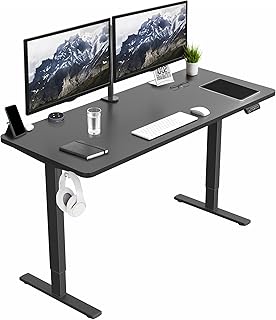
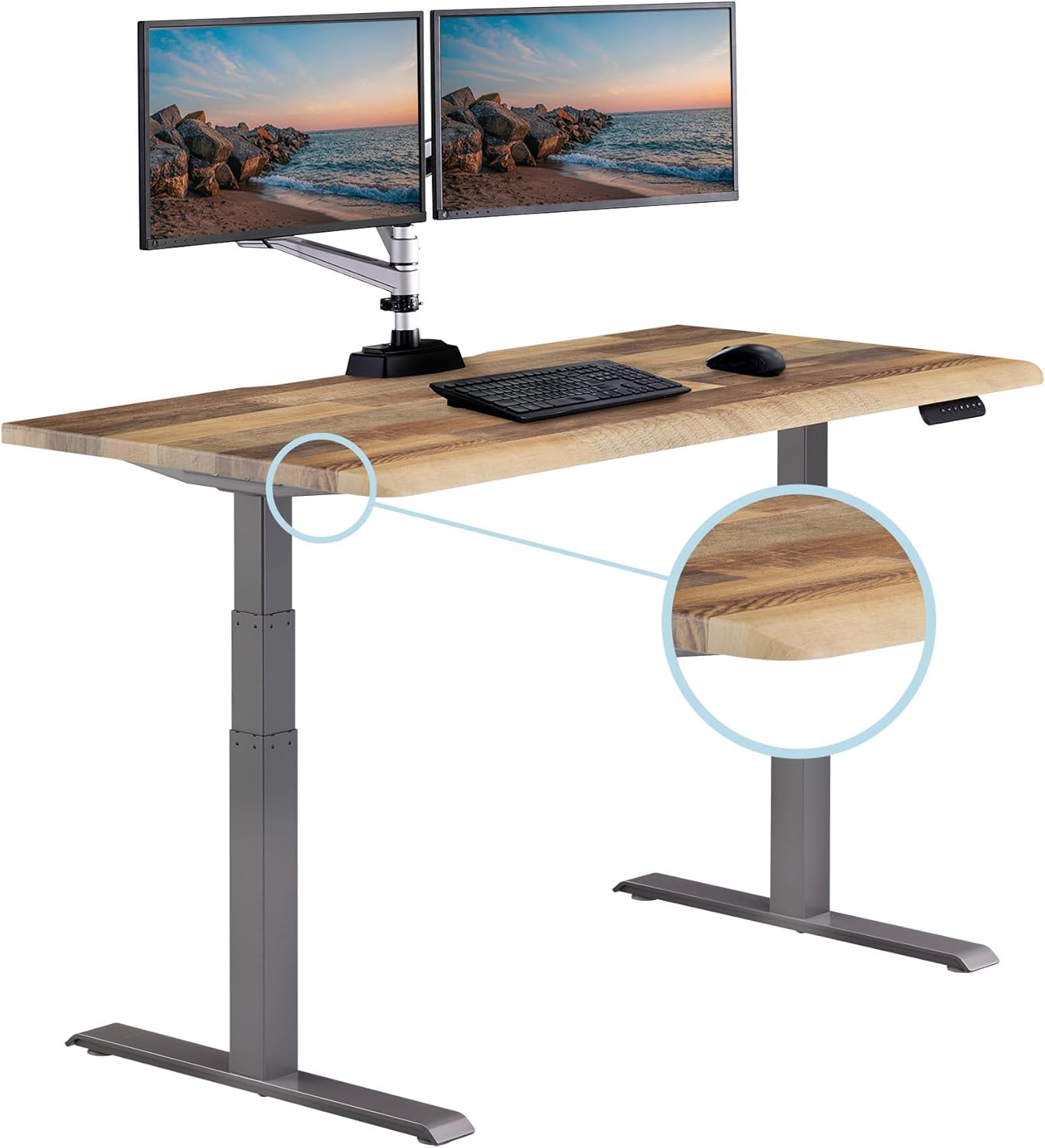
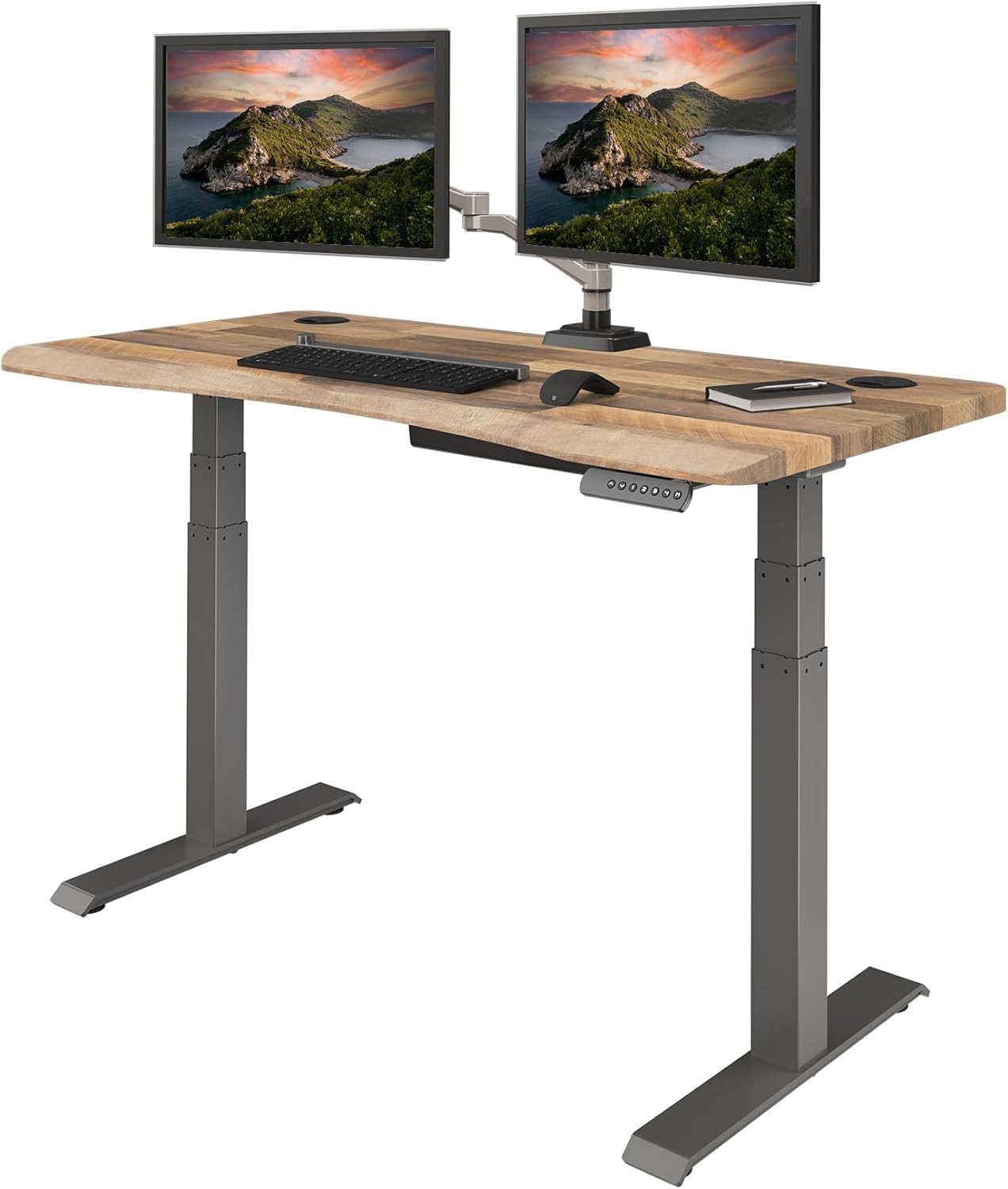
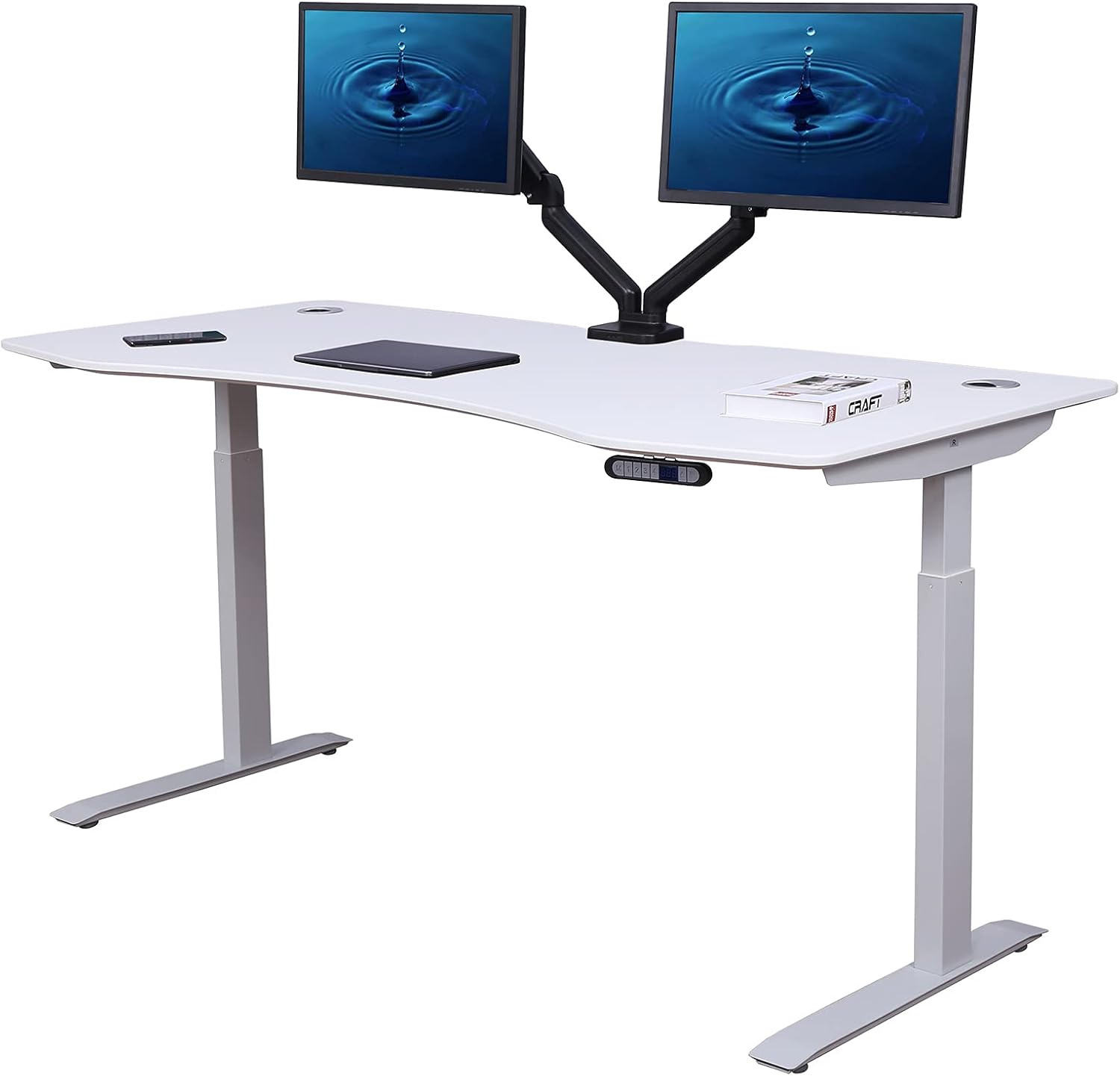
| VIVO Electric 60 x 24 | 60" | ~50" | 220 lbs | Tall users needing wider monitor span and arm support |
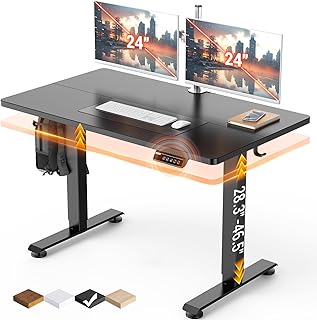
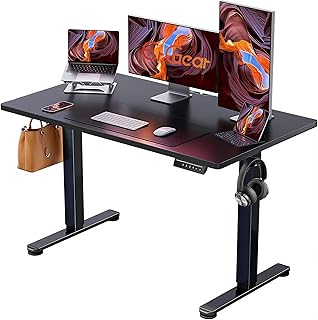
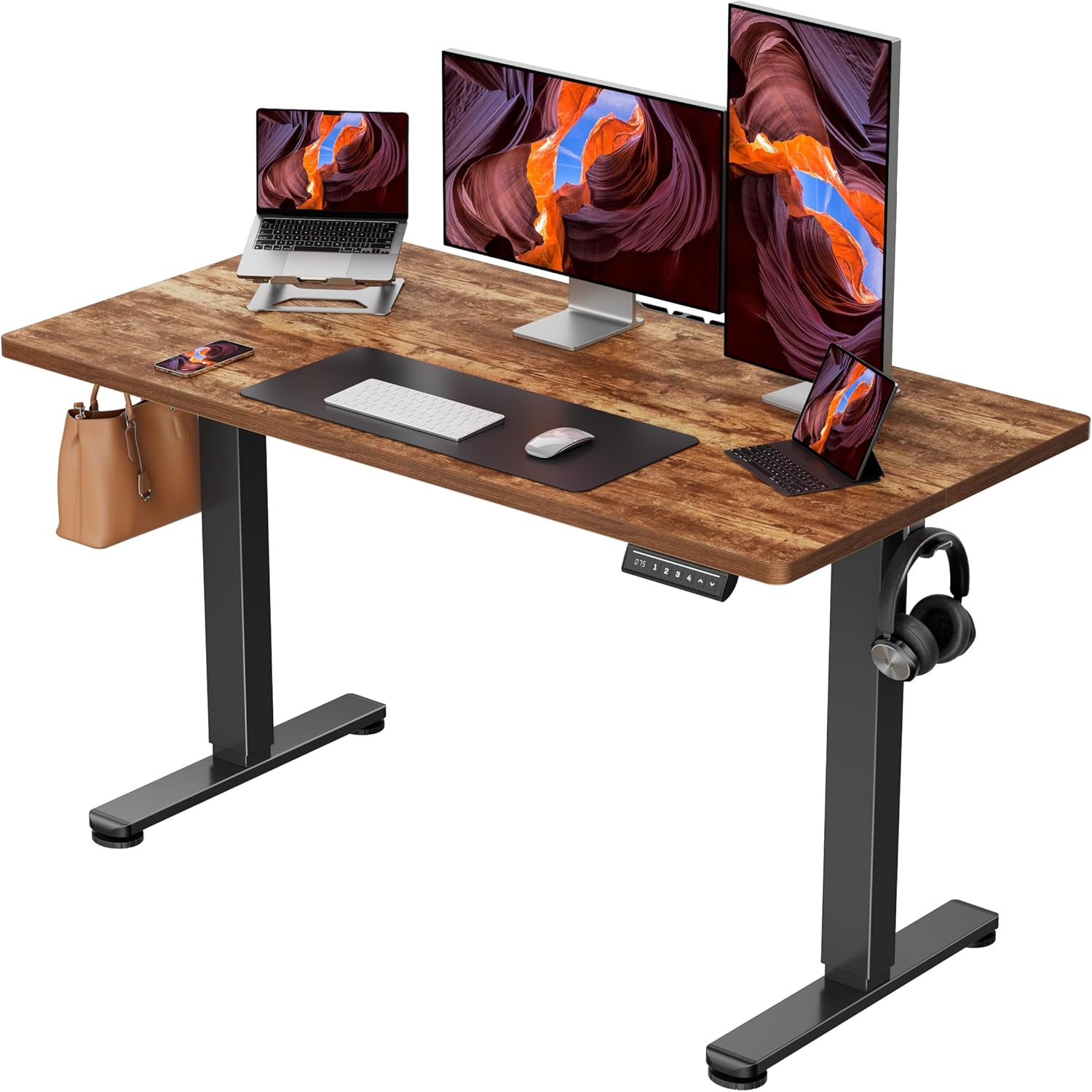
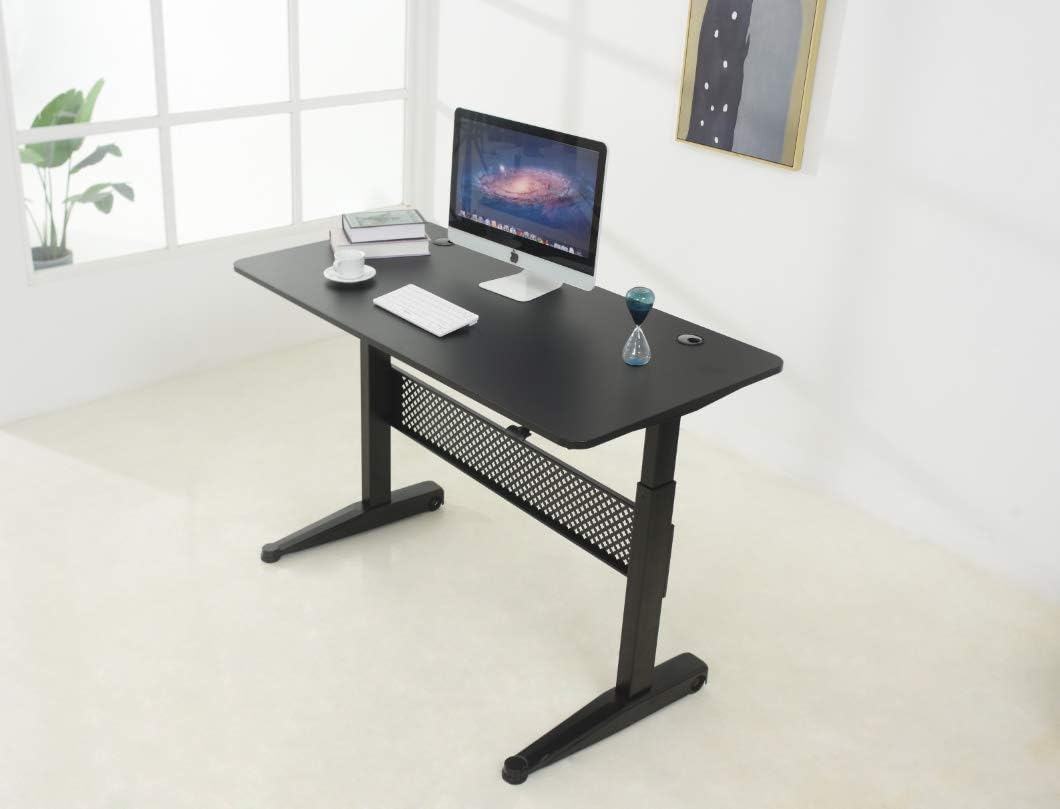
| ErGear 48 x 24 Electric | 48" | ~48" | 176 lbs | Compact rooms; memory presets for fast sitstand cycling |
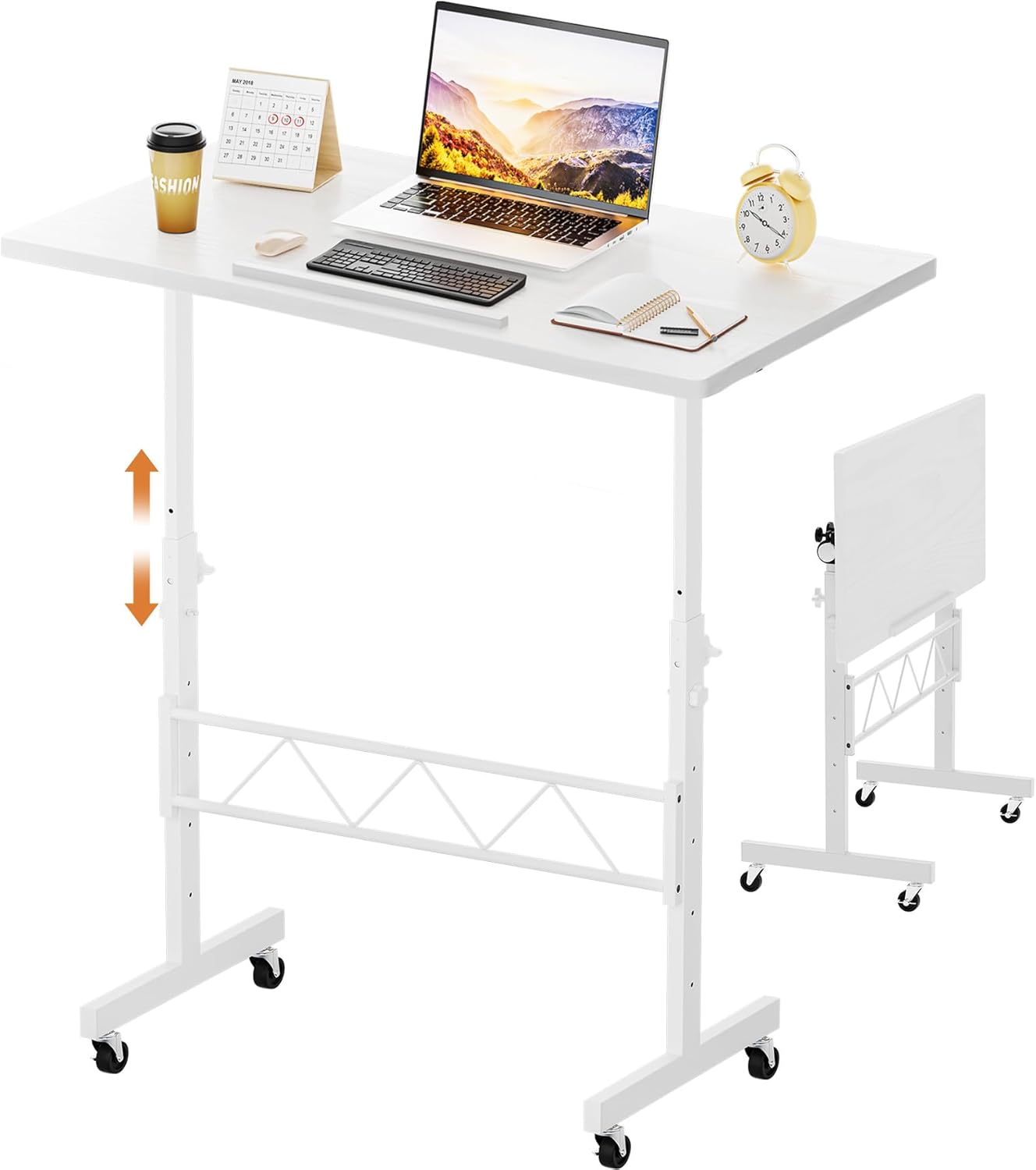
| Veken 47.2" Wood-Top | 47.2" | ~47" | ~165 lbs | Home offices wanting a warmer aesthetic plus quiet motor |
VIVO Electric 60 x 24 Standing Desk — Best Width for Tall Frames
The wider 60-inch surface gives tall users room to spread keyboard, mouse, and a forearm support pad without crowding, which matters when arms are long and you don't want elbows hanging unsupported off the edge. The 220 lb capacity comfortably holds dual monitors plus a monitor arm, useful because Marfan users often benefit from a higher monitor placement to avoid neck flexion. Memory presets let you switch quickly between a seated height tuned to a tall chair and a standing height matched to your elbow at 90°. View the VIVO 60 x 24 on Amazon.
ErGear 48 x 24 Electric Standing Desk — Best Memory Programming
If your workspace is smaller, the ErGear 48 x 24 keeps the essential electric height adjustment and memory presets in a more compact footprint. For Marfan users alternating positions every 30–45 minutes, the responsiveness of the memory keys is a real ergonomic feature — friction in the transition is the number-one reason people stop using a sit-stand desk. The frame is rated to 176 lbs and the motor is quiet enough for video calls. View the ErGear 48 x 24 on Amazon.
Veken 47.2" Standing Desk with Wood Desktop — Best Home-Office Aesthetic
The Veken 47.2" pairs a warm wood-look top with electric height adjustment, which works well for Marfan users who spend long hours at home and want a workstation that doesn't read "medical equipment." Quiet operation and stable extension at typical tall-user heights make it a comfortable second-room option or primary desk for users under 6'5". View the Veken 47.2" on Amazon.
How to Configure Your Chair for Aortic Support
After unboxing any ergonomic chair for marfan syndrome, work through this sequence rather than accepting defaults. First, set seat height so your feet rest flat with thighs sloping slightly downward (about 5°), reducing pressure under the thighs and improving venous return. Second, slide the seat pan so you have two to three finger-widths between the chair edge and the back of your knee. Third, position the lumbar pad at the inward curve of your lower back — for users above 6'3" this is often the chair's highest lumbar setting. Fourth, raise armrests so your shoulders are completely relaxed; if they shrug at all, the armrests are too high. Fifth, set the recline tension light enough that you can rock backward easily without abdominal bracing, which avoids Valsalva-like pressure spikes.
Finally, calibrate the headrest so your ears sit over your shoulders when looking at the center of your monitor. A common mistake is leaving the monitor too low, which forces chronic neck flexion; pair the chair with a monitor arm and refer to our breakdown of monitor arm setup for tall users to get the geometry right.
Movement Strategy: The Aortic-Friendly Workday
Even the best chair becomes harmful if you stay in it for eight hours. A sample schedule used by occupational therapists with Marfan-syndrome clients: 40 minutes seated in a neutral upright posture, 5 minutes standing with a relaxed recline of the lumbar against the desk edge or backrest, then 15 minutes seated in a slightly reclined posture (105–110°) for reading or meetings. Walk briefly every 90 minutes. This pattern is supported by general cardiovascular guidance for connective-tissue patients and is more sustainable than a rigid 50/10 sit-stand alternation. See our sit-stand schedule guide for a printable version.
Accessories That Pull the Setup Together
A footrest with a slight slope helps if your chair's seat-height range tops out before your feet are flat. A keyboard tray that lowers below the desk surface is valuable for tall users because most desks at sitting height still place the keyboard above relaxed elbow height. A compression-friendly cushion is unnecessary; the chair's seat pan should do this job. Finally, a small lumbar support pillow can supplement an under-built lumbar mechanism but should never be the primary support system — if you need a pillow to feel comfortable, the chair is wrong for your frame.
Frequently Asked Questions
What seat height range should I look for if I'm 6'5" with Marfan syndrome?
Aim for a chair whose seat-height range extends to at least 22–23 inches at the top end. Most office chairs cap around 20–20.5 inches, which forces tall users into knee-above-hip positions that compress the abdomen and increase intra-thoracic pressure. Tall-specific or big-and-tall ergonomic chairs are typically the only category that reaches the needed range; verify the spec on the manufacturer page rather than trusting marketing copy.
Is mesh or foam better for an ergonomic chair for Marfan syndrome with a thin frame?
Thin-framed Marfan users frequently report that high-tension mesh creates uncomfortable pressure ridges along the ischial tuberosities because there's less subcutaneous tissue to distribute load. Medium-density molded foam with a contoured seat pan tends to be more forgiving. If you prefer mesh for breathability, choose a model with multi-zone tension or a hybrid seat that pairs a mesh back with a foam seat pan.
Can a recliner-style chair help reduce aortic root strain during long workdays?
Brief intervals (15–30 minutes) in a posterior recline of 105–110° can reduce static muscular load on the trunk and may slightly decrease the afterload your heart works against compared to an upright posture. This is a comfort and load-management strategy, not a treatment. Coordinate any structural workday changes with your cardiologist, especially if you have an aortic graft or are on beta-blocker therapy.
Do I need a headrest if I have cervical spine concerns related to Marfan syndrome?
An adjustable headrest is strongly recommended. Marfan-associated cervical instability or odontoid hypoplasia means that any chronic loading of a flexed neck is risky. A headrest that supports the occiput when you recline keeps the cervical spine in a neutral position during meetings, reading, and recovery intervals between focused work blocks.
How does scoliosis change my chair selection?
With Marfan-associated scoliosis, asymmetric seat pressure is common. Look for a chair with independent left/right lumbar contouring or at least a flexible backrest that can mold around the curvature instead of fighting it. Avoid rigid "orthopedic" backrests that assume a symmetric spine — they create new pressure points. A physical therapist familiar with scoliosis can often suggest a custom lumbar wedge to pair with an off-the-shelf chair.
Should I avoid gas-lift chairs because of pressure changes?
No. Pneumatic cylinders in office chairs operate at low pressure and pose no documented cardiovascular risk for Marfan patients. The relevant cardiovascular risks are isometric strain, Valsalva maneuvers, and sustained static postures — not the mechanism that raises the seat. Choose a Class 4 cylinder for durability under taller-frame users.
How often should I replace my ergonomic chair if I have Marfan syndrome?
A high-quality chair typically lasts 7–10 years, but Marfan users should reassess fit after any significant change — spinal surgery, brace fitting, weight change of 15+ pounds, or pregnancy. The mechanisms tend to outlast the foam; if the seat pan compresses unevenly or the lumbar pad no longer holds adjustment, replace the chair rather than adding aftermarket pads that mask the loss of support.
Bringing It Together
The right ergonomic chair for marfan syndrome is one piece of a larger system. Choose a chair built for tall, thin frames with deep adjustability across lumbar height, seat depth, armrest geometry, and recline tension. Pair it with a height-adjustable standing desk — the VIVO 60 x 24 for wider tall-frame setups, the ErGear 48 x 24 for memory-driven sit-stand alternation, or the Veken 47.2" for a quieter home-office aesthetic. Build a movement schedule around the equipment, calibrate the geometry to your body rather than the defaults, and review the setup with your cardiologist or occupational therapist when major changes occur. Done right, your workstation becomes a tool that supports cardiovascular health rather than a daily compromise.
Key Takeaways
- Choosing the right ergonomic chair for marfan syndrome means matching capacity and output ports to your actual devices
- Always check actual watt-hours (Wh), not just watts — runtime depends on Wh, not peak output
- Also covers: chair for very tall thin users
- Also covers: marfan office chair recommendations
- Also covers: connective tissue disorder chair
- Compare price-per-Wh across models to find the best value for your budget