If you are searching for the best ergonomic footrest short users under 5 foot 2 with edema can actually rely on, the short answer is this: you need a footrest that combines adjustable height (at least 3.5–6 inches of lift), a generous tilt range of 15–30 degrees, a wide platform that supports the entire foot including swollen ankles, and a cushioning surface that does not compress edema fluid against bony pressure points. Standard one-size footrests built for average-height adults force petite users to perch on the toes or dangle at the heel, which restricts venous return and worsens swelling. The picks and criteria below in 2026 are chosen specifically with these constraints in mind.
Why Standard Footrests Fail Petite Users Living With Edema
Most office footrests are designed around a seated 5'6" to 5'10" frame using a 29-inch desk. When you are under 5'2", the math changes drastically. Your popliteal height (the distance from the back of your knee to the floor when seated) is often 14 to 15.5 inches, meaning a chair tall enough to clear the underside of a standard desk leaves your feet hanging 4 to 6 inches off the floor. A typical 3-inch fixed footrest does not bridge that gap, so your feet still dangle, compressing the back of your thighs and trapping fluid in the lower legs.
When shopping for best ergonomic footrest short users under 5 foot 2, it pays to compare specs, capacity, and real-world runtime before committing.
For users with chronic venous insufficiency, lymphedema, pregnancy-related swelling, or post-surgical edema, that compression is not just uncomfortable—it is medically counterproductive. The best ergonomic footrest short users under 5 foot 2 with edema can use must do three things at once: lift the feet to a neutral knee angle, tilt them slightly upward to encourage venous return, and distribute weight without creating focal pressure on the calf or Achilles.
Key Features to Look For in 2026
Before we get into specific category picks, here are the non-negotiable specs to filter on when you are shopping:
- Adjustable height between 4 and 7 inches. Fixed 3-inch wedges are useless for users under 5'2".
- Tilt range of at least 15 degrees, ideally up to 30. Tilt is what keeps the ankle in a slight dorsiflexion, which pumps fluid back upward.
- Wide platform (16+ inches across). Swollen ankles need a stable, wide base—narrow rocker footrests are a hazard.
- Soft-touch or memory foam top surface. Plastic or hard rubber concentrates pressure on the heel where edema collects.
- Non-slip base. Critical if compression stockings make your feet slide on smooth platforms.
- Optional massage texture. Some users with mild edema benefit from gentle bead or nub textures that stimulate circulation without bruising.
Top Footrest Categories Worth Buying in 2026
Because footrest model availability shifts rapidly and ergonomic needs are personal, we recommend choosing by category rather than chasing a single SKU. The three categories below consistently serve petite users with edema better than any others.
1. Variable-Height Adjustable Foam Footrests
A wedge-shaped, multi-height foam footrest you can stack or flip is the workhorse choice. Look for models that offer two or three height positions (typically 4", 5.5", and 7") and a tilted top surface. The dense memory foam construction conforms around swollen ankles instead of creating a hard edge under the calf. These are the lowest-risk pick for first-time buyers.
2. Pressure-Relief Memory Foam with Compression Channels
A newer category in 2026, these foam footrests carve out longitudinal channels along the calf line to relieve pressure on the posterior tibial vein. For users wearing 20–30 mmHg compression stockings, channeled footrests prevent the stocking band from being pressed harder into the calf by the footrest itself—a surprisingly common complaint.
3. Active Rocking and Tilting Platforms
A rocking footrest lets you gently pump your ankles throughout the day, which mimics the calf-muscle pump that drives venous return. For users with mild to moderate edema, this can reduce afternoon swelling noticeably. Avoid narrow or steeply curved rockers if you have balance issues or peripheral neuropathy.
Why Your Desk Height Matters Just as Much
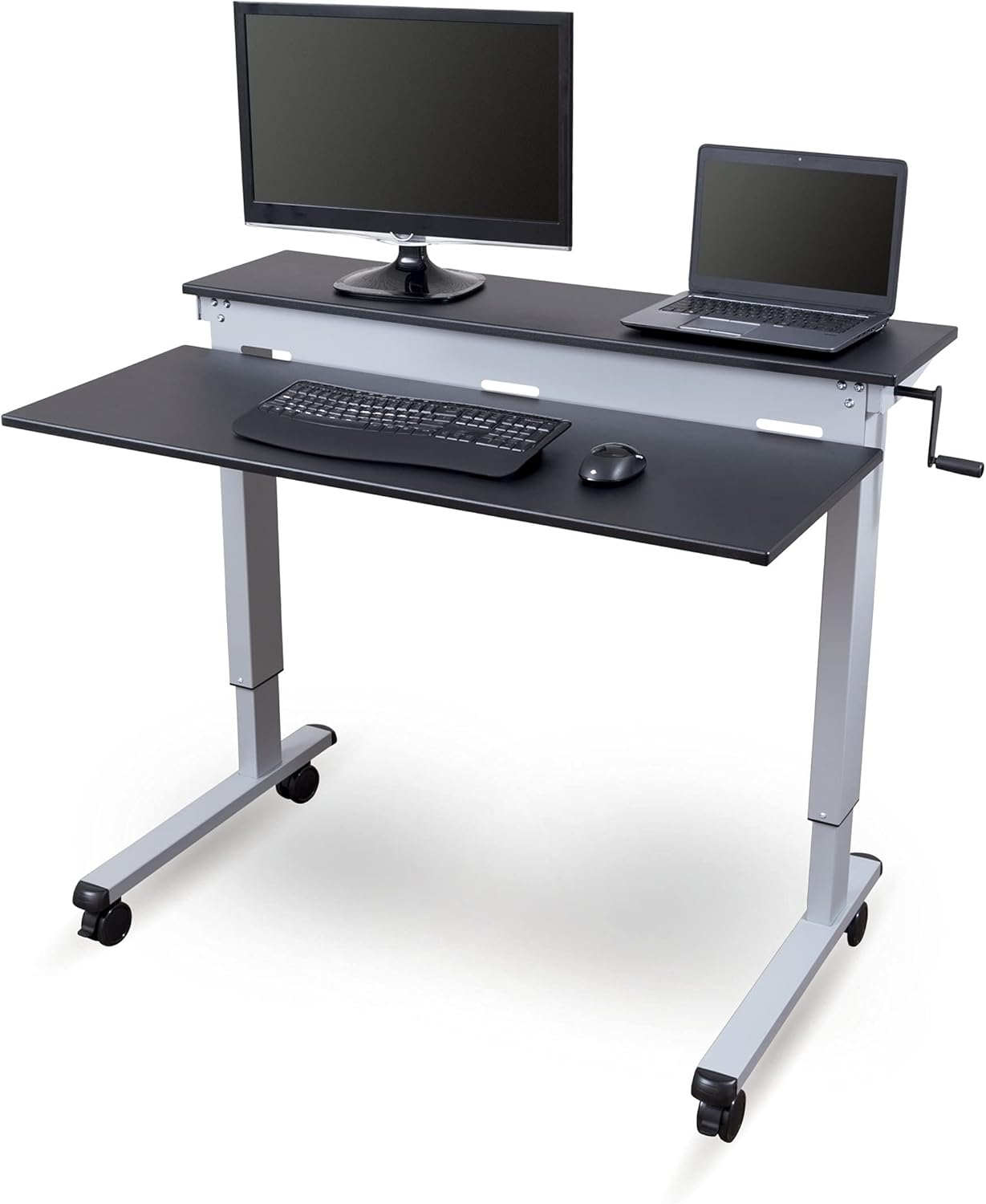
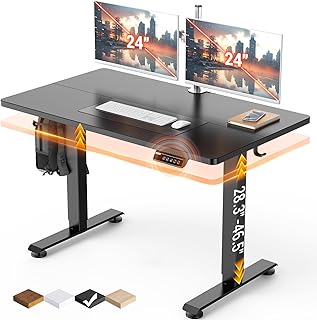
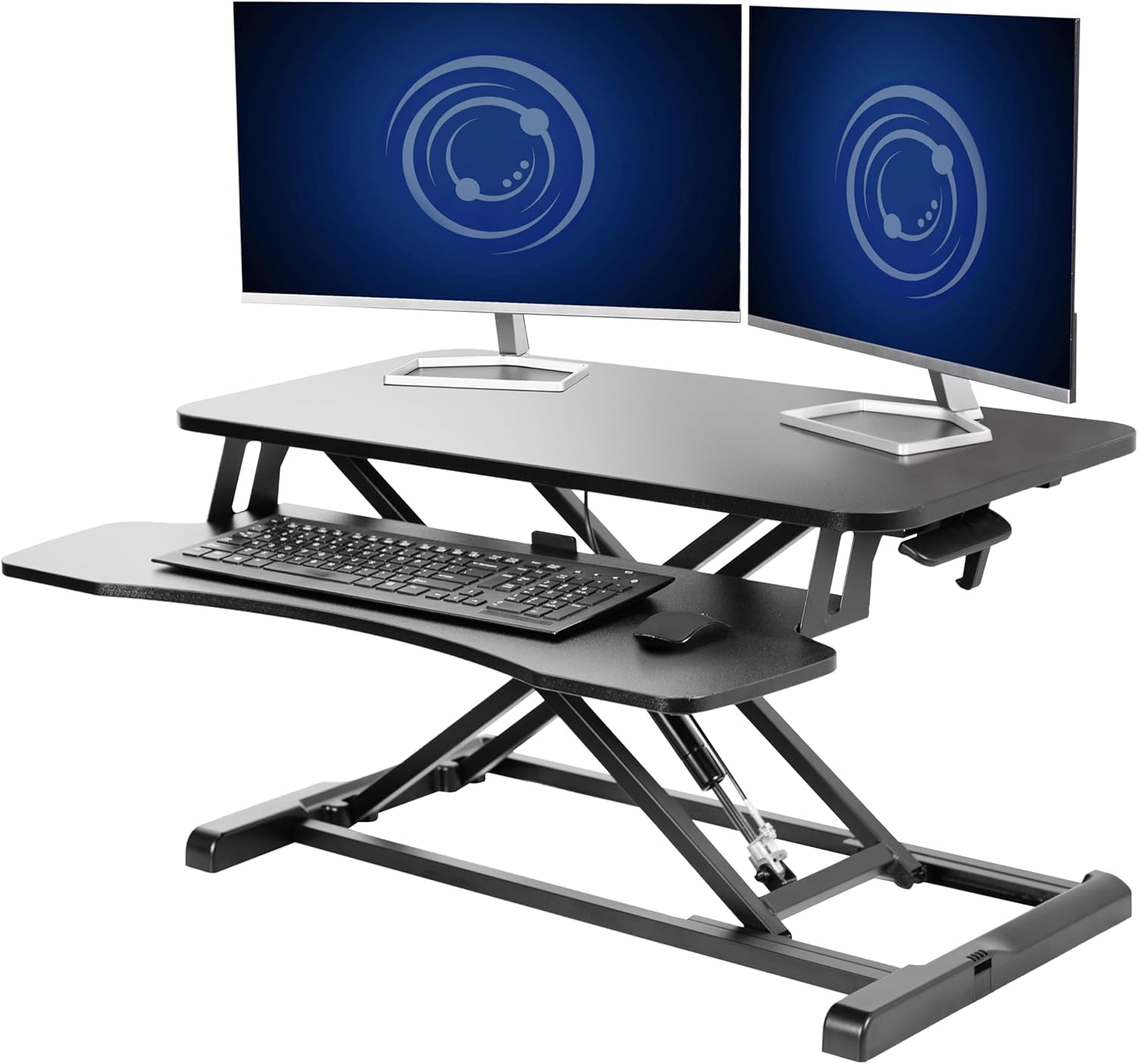
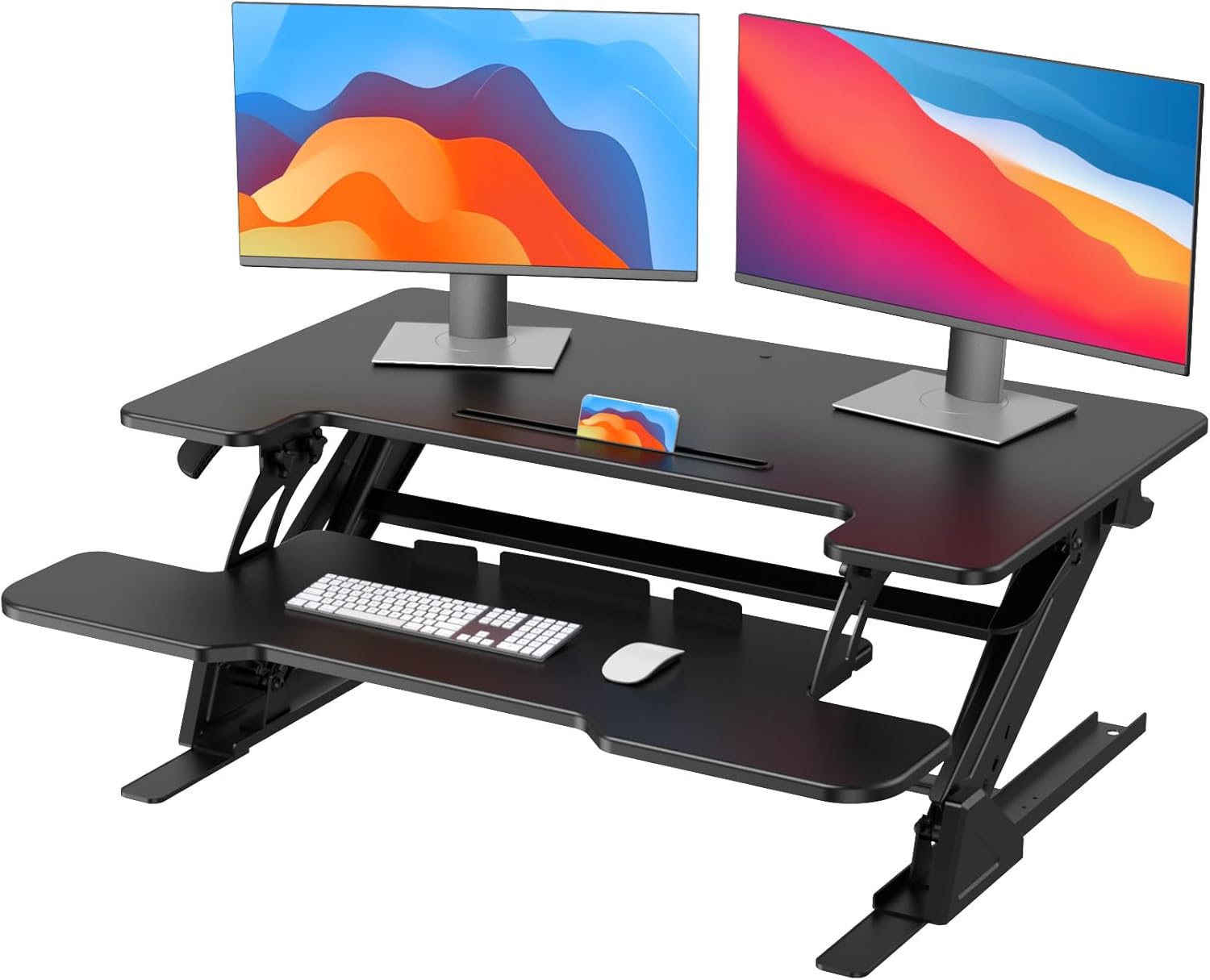
Here is the part most footrest guides skip: no footrest can fully fix a poorly sized workstation. If you are under 5'2", a 29-inch fixed-height desk forces your chair higher than your body wants to sit. The fix is either an adjustable standing desk that lowers below 25 inches, or a height-adjustable chair paired with an aggressive footrest. The combination of a properly low desk and a tilting footrest is what eliminates the dangling-feet problem entirely.
The three desks below all descend low enough to accommodate petite users, and each pairs well with a tilting footrest underneath.
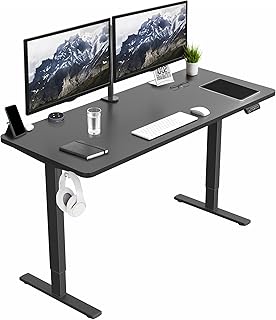
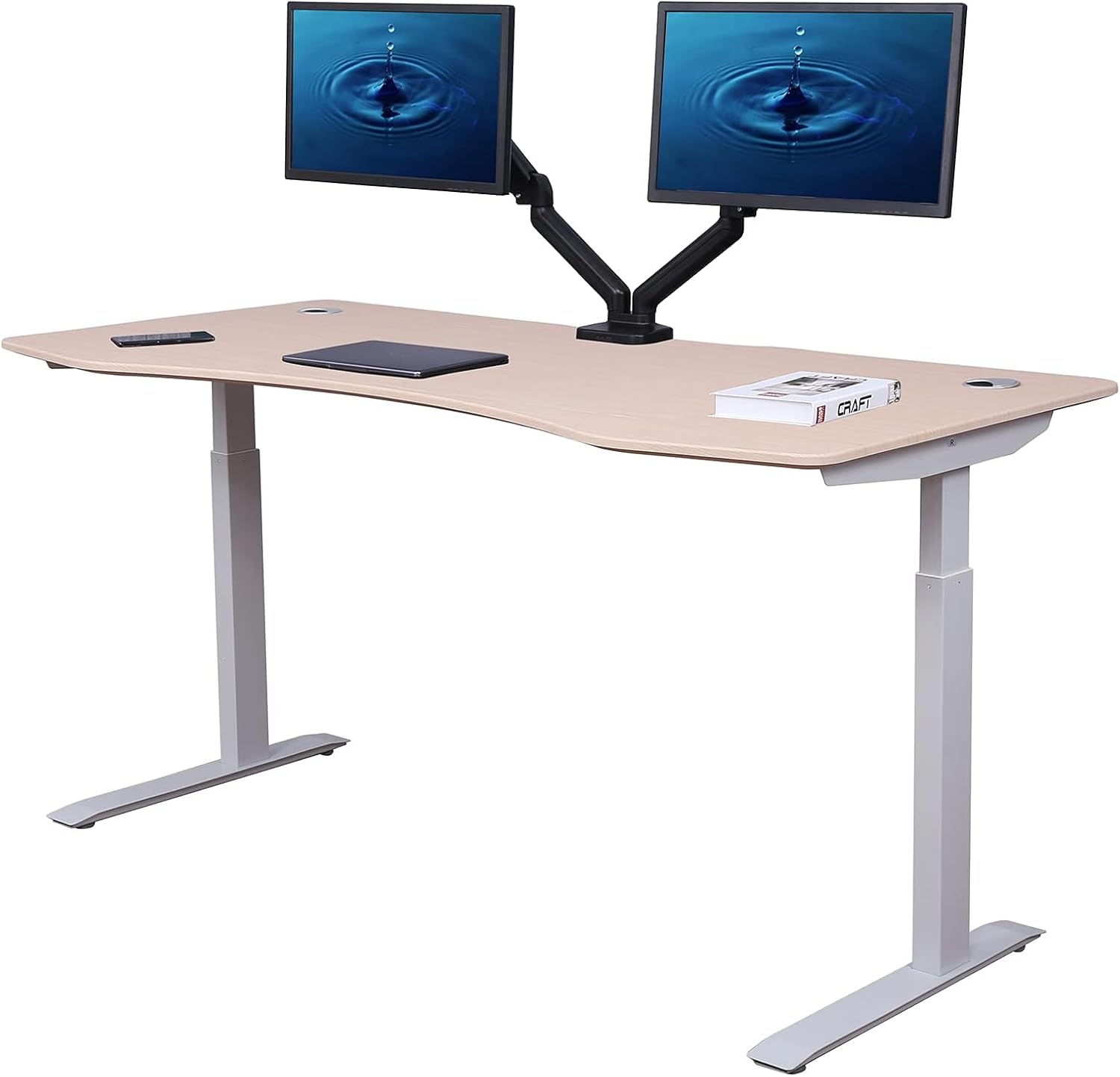
VIVO Electric 60 x 24 in Standing Desk
The VIVO Electric desk descends to a seated height that works for users as short as 4'10" when paired with a properly adjusted chair, and the memory presets let you lock in the exact seated height that puts your knees at 90 degrees over your footrest. The 220-lb load capacity and 60-inch surface give you room for a monitor riser, which becomes essential once you lower the desk for your shorter torso. This is our top pick for petite users who want one purchase to fix both the desk-height and footrest-clearance problem. Check current price on Amazon.
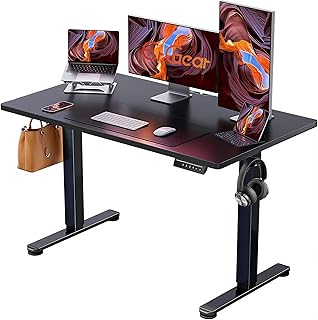
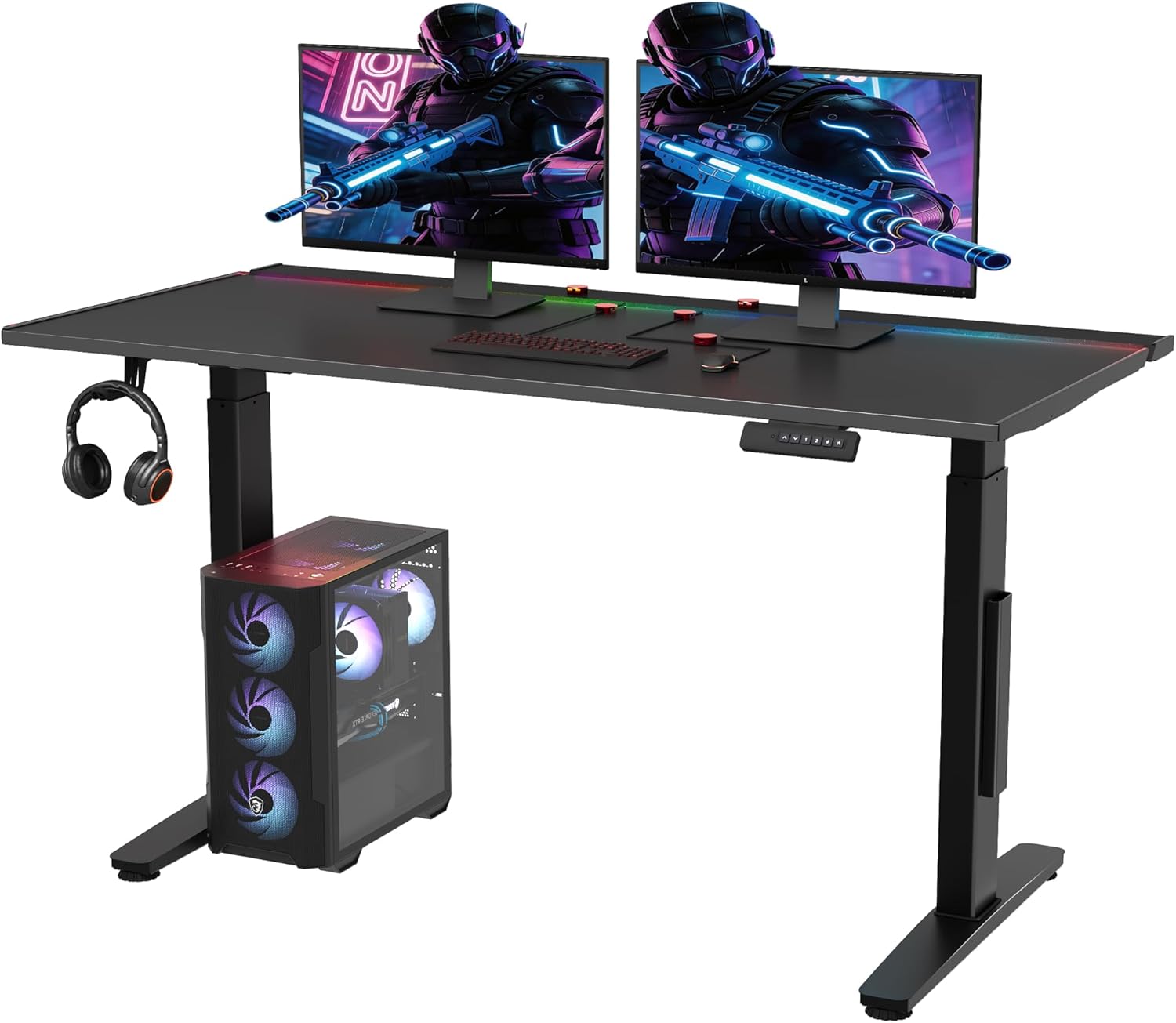
ErGear Height Adjustable Electric Standing Desk, 48 x 24
The ErGear 48x24 is a smaller, more apartment-friendly option that still has the electric height range needed for users under 5'2". The memory controller is helpful when multiple household members share the desk, and the 48-inch width leaves enough underside clearance for a tilting footrest plus a small under-desk leg-elevation cushion if your edema worsens later in the day. Check current price on Amazon.
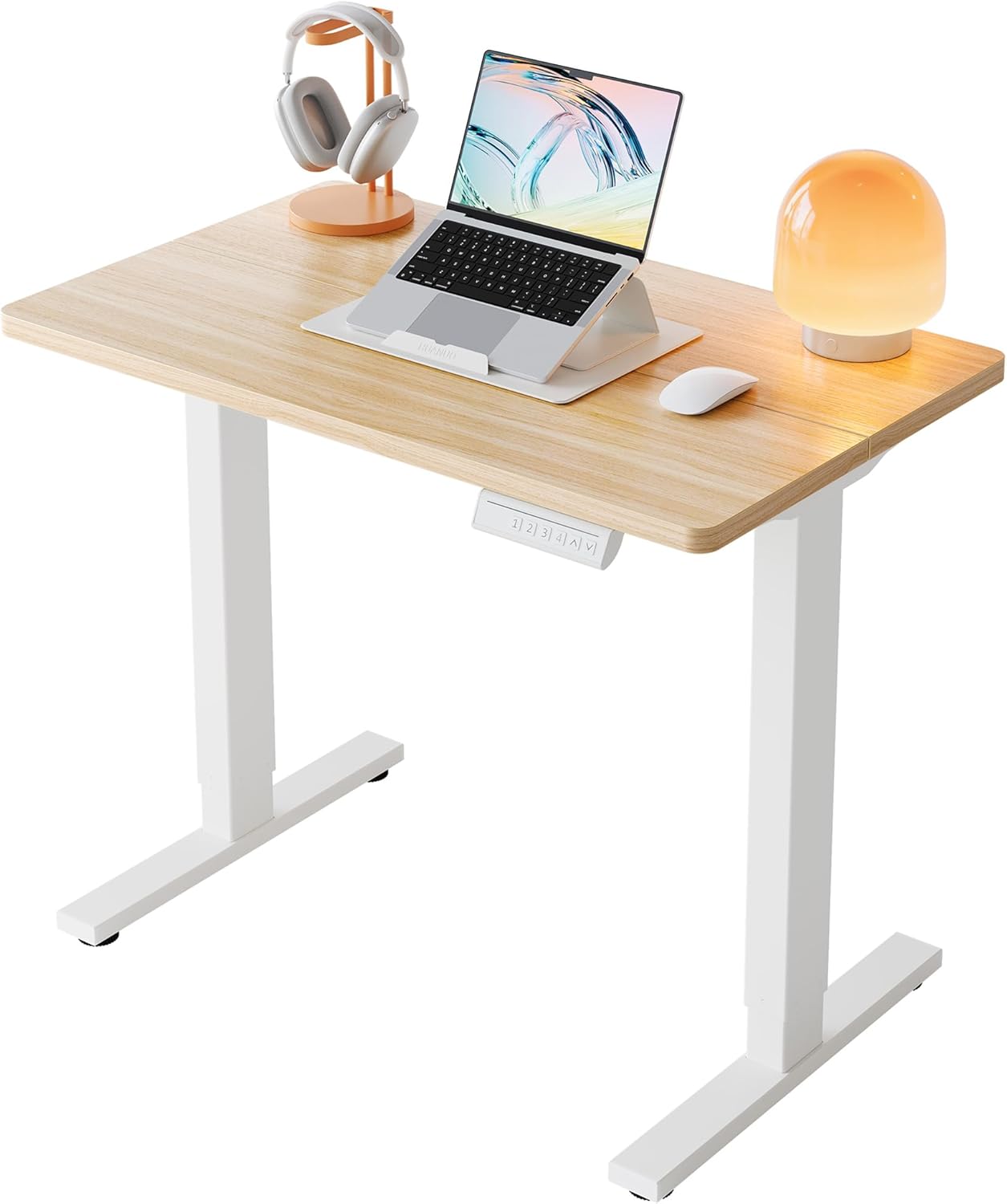
Veken 47.2" Standing Desk with Wood Desktop
The Veken 47.2" gives you a warmer wood-grain aesthetic for home offices while still hitting the low seated heights petite users need. The narrower 47.2-inch footprint is ideal for small bedrooms or alcove offices, which is often where shorter users end up working remotely. Pair it with a wedge footrest set to its tallest position. Check current price on Amazon.
Standing Desk Comparison for Petite Users with Edema
| Desk | Surface Size | Adjustment Type | Memory Presets | Best Use Case |
|---|---|---|---|---|
| VIVO Electric 60 x 24 | 60 x 24 in | Electric, 220 lb capacity | Yes | Dual-monitor setups for users 4'10"–5'2" |
| ErGear 48 x 24 | 48 x 24 in | Electric | Yes | Compact home offices needing shared presets |
| Veken 47.2" Wood Top | 47.2 in wide | Adjustable | Varies | Aesthetic-focused petite workstations |
How to Set Up Your Ergonomic Workstation if You Are Under 5'2" with Edema
Once you have selected your footrest and ideally an adjustable desk, the setup sequence matters. Follow this order:
- Sit in your chair with feet flat on the floor. Adjust the chair so your knees are at 90 degrees and your thighs are parallel to the floor. Note the seat height—this is your physiological seated height.
- Lower your desk to match. Your elbows should rest at 90 degrees when your hands are on the keyboard. If a standing desk cannot go this low, raise the chair until the keyboard works, then measure how far off the floor your feet are.
- Pick the footrest height that closes that gap exactly. Do not split the difference—feet must be fully supported.
- Set the tilt to 15–20 degrees. Higher tilts can hyperextend the calf and worsen edema.
- Take a 2-minute stand-and-walk break every 30 minutes. No footrest replaces the calf-muscle pump.
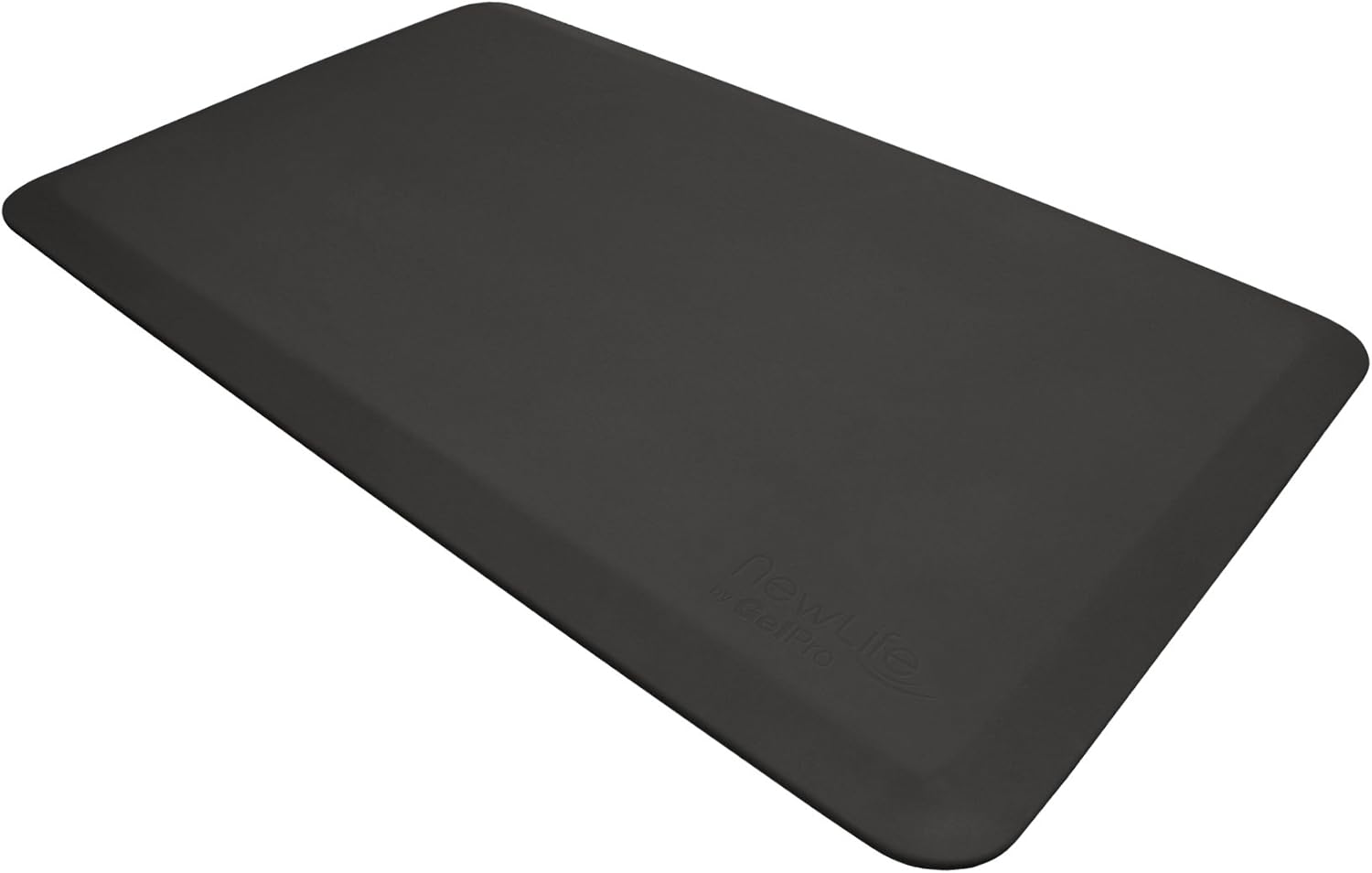
For a deeper walkthrough on chair pairing, see our guide to the best ergonomic chairs for petite users and our comparison of anti-fatigue mats designed for edema sufferers, which can replace a footrest entirely when you are in standing mode.
Edema-Specific Tips Most Footrest Reviews Miss
Edema changes throughout the day. Most shoppers buy a footrest based on how their feet feel at 9 a.m., then find by 4 p.m. that their feet no longer fit or the surface feels too firm. Build slack into your purchase:
- Order one size wider than your usual shoe footprint to allow for afternoon swelling.
- If you wear compression hosiery, avoid plastic or PU surfaces that grip the stocking material and pull at the calf band when you reposition.
- Watch for footrests with internal heating elements—these are marketed as therapeutic but can worsen vasodilation-driven edema. Cool or neutral surfaces are safer.
- If pitting edema is present, choose a low-profile rocker over a tall stationary wedge—movement matters more than height.
- Reassess the footrest height every 3–4 months. Bodies and edema patterns change.
Finally, if you also struggle with desk-leg edge pressure on your thighs (very common for users under 5'2"), pair the footrest with a forward-tilting seat cushion and review our notes on compression socks for desk workers.
Frequently Asked Questions
What height footrest do I need if I am 5 foot 1 with chronic ankle edema?
At 5'1", most users need a footrest with 5–7 inches of effective lift, depending on chair and desk height. With chronic ankle edema, prioritize a model with at least 15 degrees of upward tilt and a soft, channeled surface so the swollen ankle is not pressed against a hard edge. Variable-height wedges are easier to dial in than fixed-height plastic rockers.
Can a tilting footrest actually reduce leg swelling during an 8-hour workday?
A tilted footrest helps by improving venous return and encouraging micro-movements at the ankle, but it does not replace the calf-muscle pump. Studies on prolonged sitting consistently show that even a slight 10–15 degree elevation combined with periodic standing or ankle pumps reduces end-of-day swelling more than a flat surface. Pair it with hourly movement breaks for measurable results.
Is a rocking footrest or a stationary wedge better for petite users with edema?
For most users under 5'2" with edema, a stationary tilting wedge is the safer starting point because it offers a stable, wide base. A rocking footrest can be added once you confirm your edema is mild and your balance is good. The combination—stationary wedge under one foot, gentle rocker under the other, swapped throughout the day—works well for some advanced users.
Do I need a footrest if I already have an adjustable standing desk?
Yes, almost always. A standing desk lowers the work surface to your seated height, but it does not change the height of your chair's seat pan relative to the floor. Unless you are using a very low-profile petite chair, your feet will still benefit from a small footrest set to 2–4 inches when the desk is fully lowered, and a taller 5–7 inch wedge when the chair is raised.
Are heated or vibrating footrests safe for users with edema?
Vibrating footrests are generally safe and may help with mild edema by stimulating the calf-muscle pump, but heated footrests can cause vasodilation that temporarily worsens swelling. If you have any vascular condition diagnosed by a clinician, default to a non-heated model. Cool gel-infused memory foam is a reasonable middle ground if you want a soothing surface without active heat.
What is the best footrest setup for a pregnant user who is also under 5 foot 2?
Pregnancy edema is typically gravitational and worsens late in the day. A taller tilting wedge (6–7 inches) at 20–25 degrees, paired with a forward-tilt seat cushion and a desk lowered to keep the keyboard at elbow height, works best. Avoid crossing the ankles on a narrow rocker. Many pregnant users add an under-desk leg-elevation cushion for the last hour of the workday.
How do I know if my footrest is making edema worse rather than better?
Three warning signs: a deeper sock-line indentation at the calf where the footrest meets your leg, increased numbness or tingling in the toes after an hour of use, or visibly more swelling at end-of-day than before you added the footrest. Any of these means the footrest is either too narrow, tilted too aggressively, or pressing against a major vein—reduce the tilt and switch to a wider, softer surface.
Key Takeaways
- Choosing the right best ergonomic footrest short users under 5 foot 2 means matching capacity and output ports to your actual devices
- Always check actual watt-hours (Wh), not just watts — runtime depends on Wh, not peak output
- Also covers: footrest petite women desk
- Also covers: footrest for swollen ankles
- Also covers: adjustable footrest short stature
- Compare price-per-Wh across models to find the best value for your budget