If you're mounting a Pixio PX277 with its 1500R curve, the best monitor arm for Pixio PX277 curved setups needs three specific things: VESA 100x100 compatibility, at least 60mm of clearance between the clamp head and the panel back, and a load rating that comfortably handles the PX277's roughly 14-lb weight. The curve itself isn't the problem — it's the recessed VESA plate behind a sloping rear shell that causes generic arms to bottom out or angle the screen badly. Below, we walk through what fits, what doesn't, and how to pair your new arm with a desk that gives the 27-inch curved panel room to breathe.
Why the Pixio PX277 1500R Needs a Specific Arm
The PX277 uses a standard 100x100mm VESA pattern, but the rear housing slopes inward toward the stand mount. That means the closer the arm's tilt head sits to the monitor back, the more likely the head will collide with the curved shell when you tilt down or rotate to portrait. A 1500R curve is aggressive enough that even a 5-degree downward tilt with a tight-fitting arm can grind plastic. The picks below all clear that geometry.
The second concern is weight balance. At 27 inches and roughly 14 pounds with the VESA bracket, the PX277 sits in the sweet spot for nearly every gas-spring arm on the market — but cheap arms with 2-13 lb ranges will sag within weeks. Look for arms rated to at least 19.8 lbs (9 kg) so you have headroom for adjustment friction.
Comparison: Monitor Arm Criteria for the PX277 Curved
| Spec | Minimum for PX277 | Recommended | Why It Matters |
|---|---|---|---|
| VESA Pattern | 100x100mm | 75/100mm dual | Native PX277 pattern; dual-pattern plates fit future monitors too |
| Weight Capacity | 15 lbs | 19.8–26.5 lbs | Prevents spring sag with the 14-lb panel |
| Clamp Depth Clearance | 50mm from VESA plate | 65mm+ | Avoids contact with the curved rear shell during tilt |
| Tilt Range | +/- 35 deg | +85/-45 deg | Curved panels look best at a slight downward angle |
| Desk Clamp Thickness Range | 0.4–2.0 in | 0.4–3.0 in | Most standing desks have 1-inch tops, but bamboo and butcher block can hit 1.6 in |
| Rotation | 180 deg | 360 deg | Lets you swing the panel for vertical work without lifting off the arm |
Top Monitor Arm Picks for the Pixio PX277
1. Best Overall: Heavy-Duty Gas Spring Arm (19.8-lb capacity)
A full-motion gas spring arm in the 4.4–19.8 lb range is the sweet spot for the PX277. The 1500R curve sits comfortably on arms with a recessed VESA plate that pushes the monitor about 65mm out from the arm head, giving the curved rear shell plenty of room to tilt without contact. Look for arms with a removable VESA plate so you can attach it to the monitor first, then slide the assembly onto the arm — doing this with a curved monitor on your lap is far easier than wrestling a mounted screen.
The key feature that separates good from bad here: a torque-adjustable tilt joint. Cheap arms use a friction washer that loosens within a month under a 14-lb load. Spend the extra $20 on a model with a hex-key tension screw.
2. Best Budget Pick: Single Monitor Desk Mount (under $40)
If you only need height adjustment and a small amount of tilt, a basic single-arm clamp mount will hold the PX277 fine — just verify the spec sheet lists at least 17.6 lbs (8 kg) capacity. Avoid any arm rated under 15 lbs; the spring will droop, and the curved panel amplifies the visual effect of sag because the bottom edge tilts toward you. Budget arms often skip the cable management channel, but that's easy enough to add with adhesive clips.
3. Best for Standing Desks: Heavy-Base Pole Mount
If your desk has a thin back lip or a wireless charging insert you don't want to clamp over, a pole-mount arm with a heavy weighted base avoids the clamp issue entirely. These work especially well on electric standing desks where the rear cable tray sometimes makes C-clamp mounting awkward.
Pairing Your Arm with the Right Standing Desk
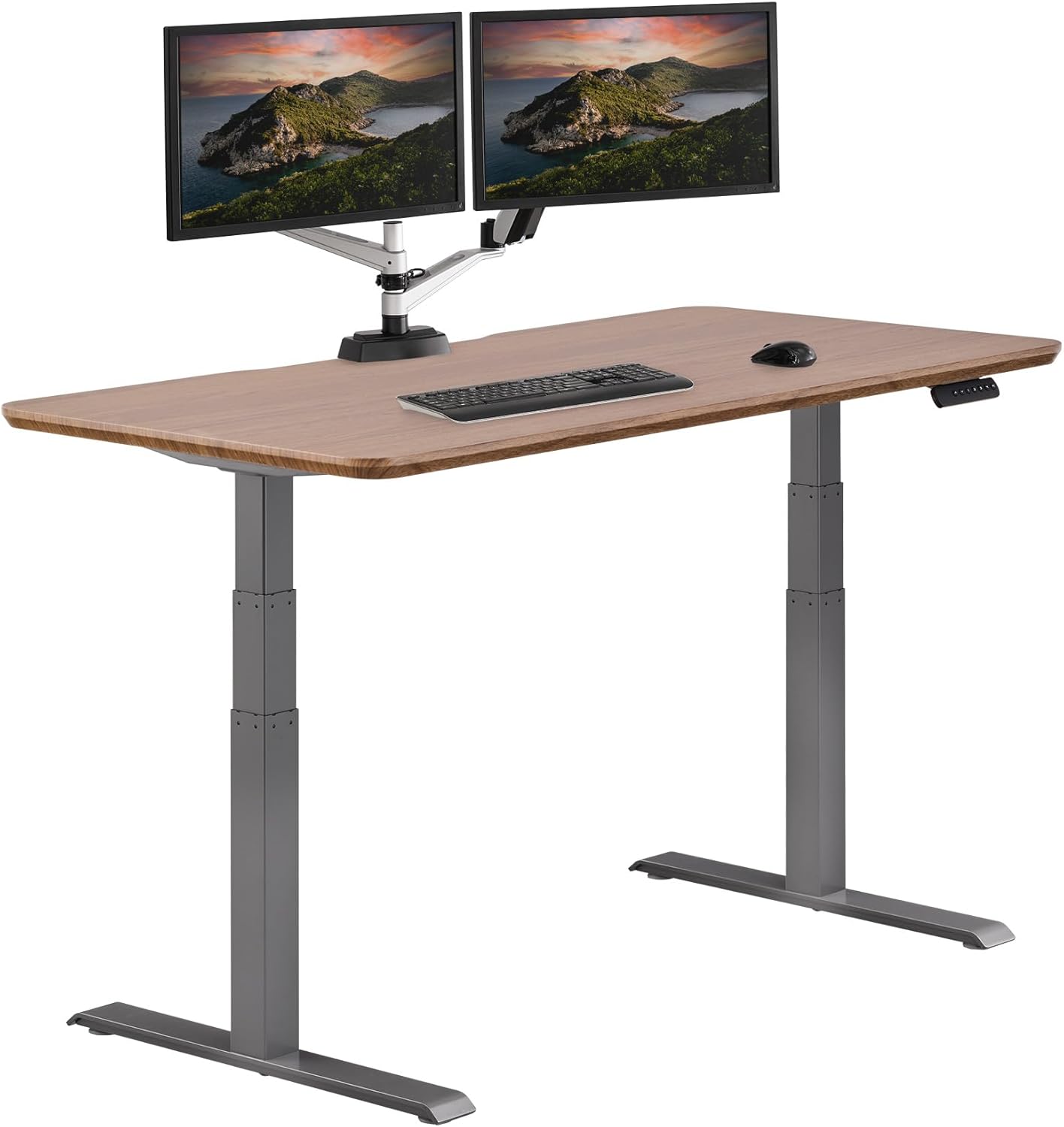
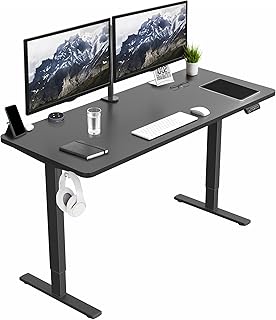
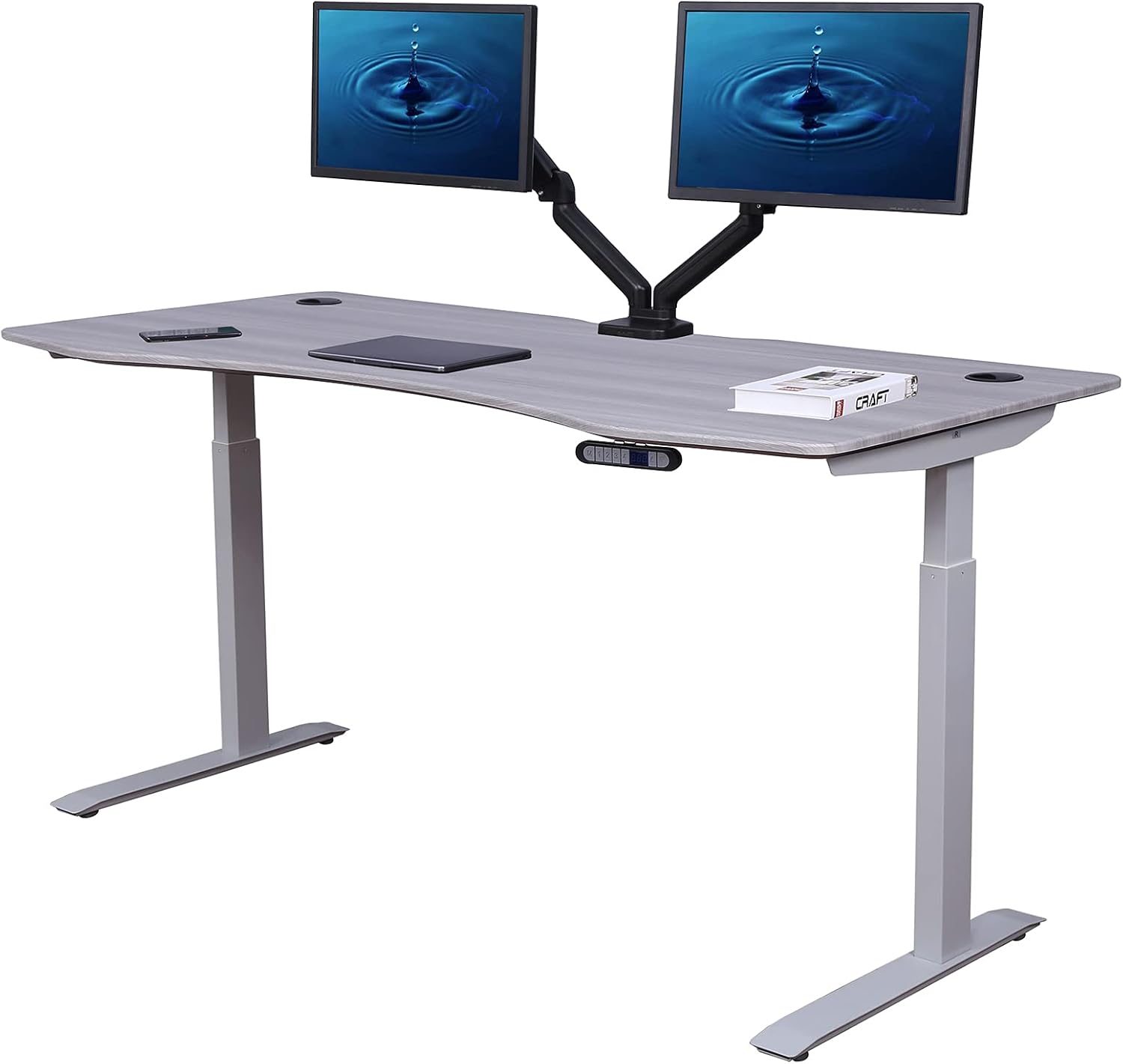
The PX277's 27-inch curved footprint needs at least 24 inches of desk depth to sit comfortably with a keyboard tray underneath, and the arm's clamp needs a clean back edge. These three desks all work well with monitor arm clamps and give the curve room to breathe.
VIVO Electric 60 x 24 in Standing Desk — Best Wide-Footprint Pairing
At 60 inches wide and 24 deep, the VIVO Electric gives the PX277 a clean canvas with room for a keyboard, speakers, and a secondary laptop riser. The 1-inch tabletop accepts virtually every standard arm clamp, and the 220-lb capacity means you can mount a heavy arm plus the monitor without the lift motors straining. Memory presets make it easy to dial in sit and stand heights that keep the curved screen at eye level. Check current price on Amazon.
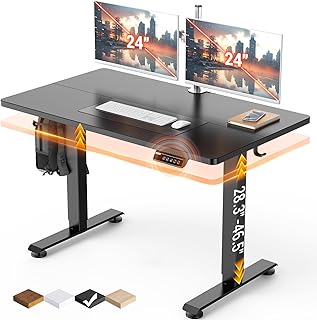
Veken 47.2" Standing Desk — Best Compact Pairing
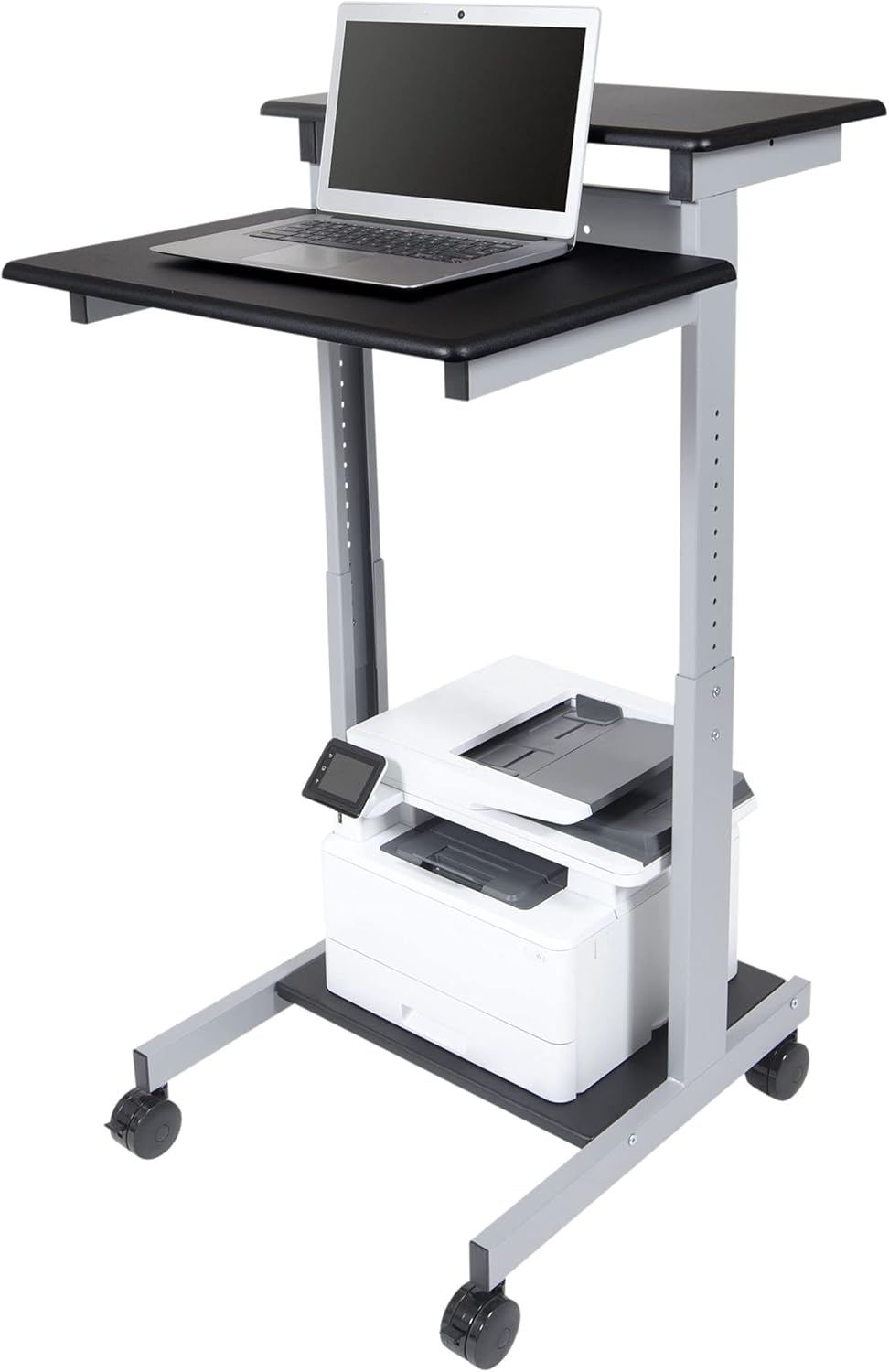
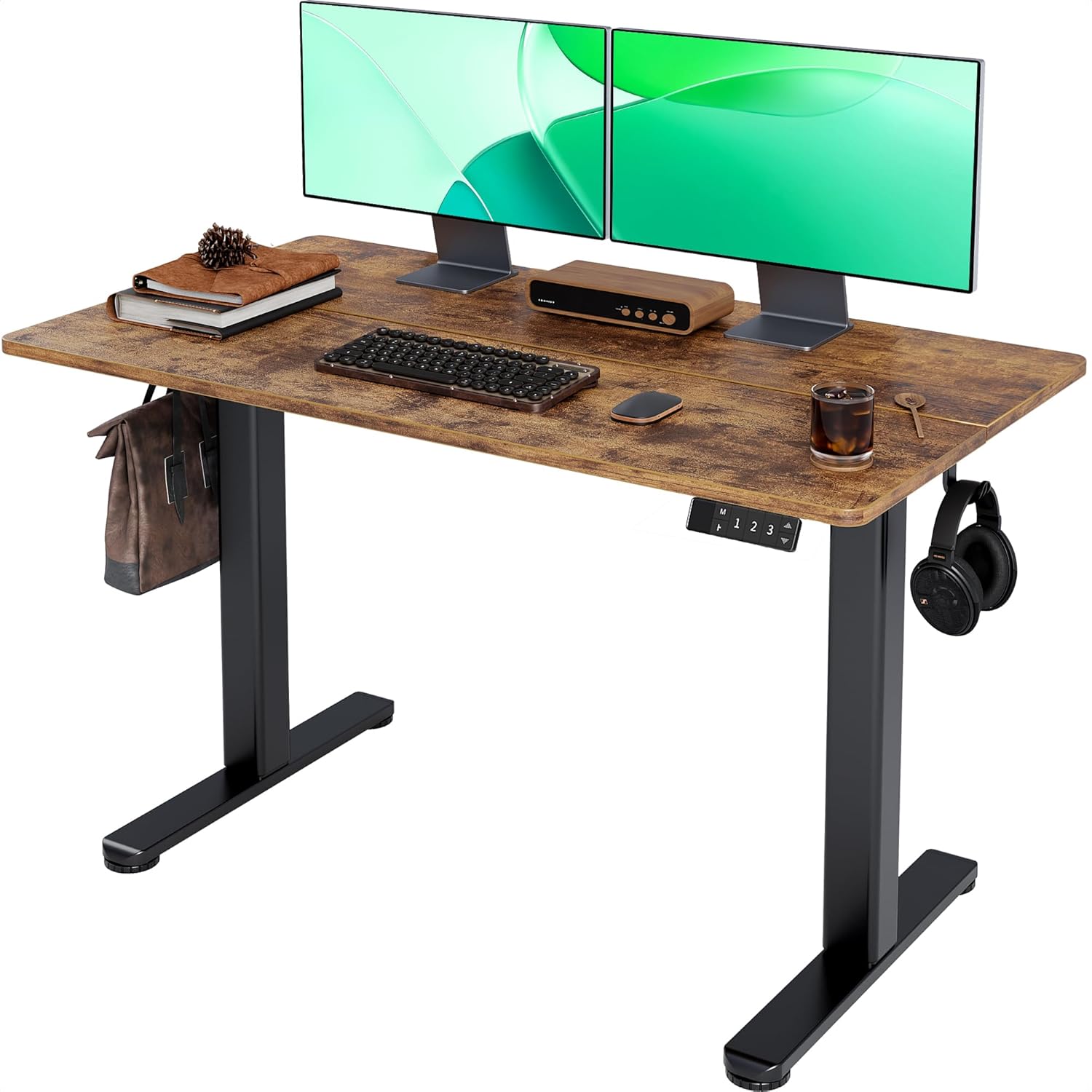
For tighter rooms, the Veken 47.2-inch desk still leaves enough room to center the PX277 on an arm with peripherals to either side. The wood desktop has a clean rear edge for clamp mounts, and the adjustable height range matches what most ergonomic guides recommend for a 27-inch curved panel positioned at arm's length. View on Amazon.
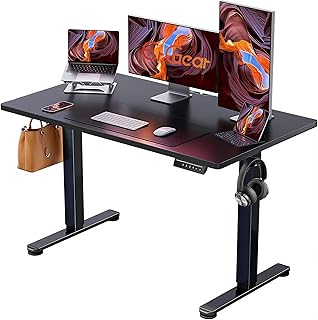
ErGear 48 x 24 Inches Sit Stand Desk — Best Mid-Size Value
The ErGear's 48 x 24-inch surface is the smallest depth we'd recommend for a curved 27-inch monitor on an arm — anything narrower and the curve starts to wrap around your peripherals. The electric memory-height motor handles the added weight of the monitor and arm without lurching, and the desktop edge is shaped for clamp compatibility. See on Amazon.
Installation Tips for the PX277 1500R
Even the best monitor arm for Pixio PX277 curved configurations can give you a headache if you install it wrong. A few specifics:
- Remove the factory stand first, then attach the VESA plate before mounting. The PX277's stand uses a quick-release tab — press it firmly while lifting straight up.
- Use spacer washers if your arm's VESA screws are too long. The PX277's threaded inserts bottom out around 8mm of screw depth; longer screws can crack the rear shell or fail to tighten.
- Tension the gas spring before mounting the monitor. Most arms ship with the spring tensioned for a heavier load. Use the Allen key to back off tension until the empty arm holds position, then add tension after mounting.
- Run the DisplayPort cable along the inside curve of the arm, not the outside. Outside routing pinches the cable when you rotate.
- Check tilt clearance with the panel cold. Plastic shells flex slightly when warm, and a tilt that just clears at 25 minutes of use will scrape when you sit down on a cool morning.
Common Mistakes to Avoid
Three errors come up repeatedly in PX277 mounting threads. First, people buy ultra-low-profile arms thinking less arm bulk means a cleaner setup — but ultra-thin arms put the monitor right against the head joint, and the 1500R curve will not clear. Second, people forget that the PX277's center of gravity sits about an inch behind the VESA plate due to the curve, which means the arm experiences more torque than a flat 27-inch panel. Buy for at least 18 lbs of capacity even though the monitor weighs 14. Third, people install on a desk with a curved or beveled rear edge — the arm clamp needs a flat, parallel surface to grip securely.
For more on optimizing your full workspace, see our guides to standing desk ergonomics for curved monitors, cable management for monitor arms, and VESA mount compatibility for curved displays.
Frequently Asked Questions
What VESA pattern does the Pixio PX277 use?
The Pixio PX277 uses a standard VESA 100x100mm mounting pattern. Any monitor arm rated for VESA 100x100 will accept the screw pattern, but you still need to verify that the arm provides enough clearance behind the panel to avoid the 1500R curved shell during tilt and rotation movements.
Can a curved monitor like the PX277 be mounted in portrait mode?
Technically yes, but it's rarely useful. The 1500R curve in portrait orientation puts the top and bottom of the screen closer to your face than the middle, which exaggerates color shift and makes long documents harder to read. If you need portrait for code or reading, a flat monitor is a better second display.
How much desk depth do I need for the PX277 on a monitor arm?
Aim for at least 24 inches of desk depth. The PX277 measures about 9 inches deep with its included stand, but on a monitor arm you can push the panel back 6–8 inches from the desk edge. With proper viewing distance for a 27-inch curved panel (about 22–28 inches from your eyes), 24 inches of depth keeps the screen at arm's length with a keyboard tray clear.
Will a cheap $25 monitor arm hold the PX277?
It may hold it temporarily, but the gas spring will sag within weeks under the 14-lb load. Cheap arms typically rate 2–13 lbs and the PX277 sits at the very top of that range — the spring is constantly fighting maximum force. Spend at least $50–70 for an arm rated to 19.8 lbs or higher.
Does the PX277 work with a dual-monitor arm?
Yes, as long as the arm is rated to support two 14-lb monitors (28 lbs total) and each arm head has the required 65mm of clearance for the curved shell. Mounting two curved monitors side-by-side on a single dual arm looks dramatic, but verify the arms can angle inward enough to align the curves into a continuous viewing arc.
Do I need to remove the original stand before mounting the PX277?
Yes. The factory stand uses a quick-release tab on the rear of the monitor. Press the tab and lift the stand straight up to remove it before attaching the VESA mounting plate. Don't try to mount over the stand mounting point — the included VESA screws are sized to thread directly into the panel's internal inserts.
Will the monitor arm clamp damage my desk?
Quality monitor arm clamps include rubber or felt pads on both jaws to distribute load. On a 1-inch laminate, bamboo, or solid-wood desktop you'll see no damage. On softer materials like MDF with thin veneer, place a small piece of cardboard or felt under the top clamp jaw to spread the pressure. Avoid clamping on glass desks entirely — use a grommet mount instead.
Key Takeaways
- Choosing the right best monitor arm for Pixio PX277 curved means matching capacity and output ports to your actual devices
- Always check actual watt-hours (Wh), not just watts — runtime depends on Wh, not peak output
- Also covers: pixio px277 monitor arm vesa
- Also covers: curved monitor arm 1500r clamp
- Also covers: pixio monitor arm clearance issue
- Compare price-per-Wh across models to find the best value for your budget