To level standing desk uneven old house floors, measure the slope with a 4-foot bubble level or laser, then compensate by adjusting each leg's built-in glide, adding stacked felt or rubber shims under the low side, or installing aftermarket adjustable leveling feet that thread into the existing foot plate. Most quality electric standing desks include 8 to 15 mm of adjustment per leg, which handles roughly a 1/4 inch slope across a 60-inch frame. For steeper pre-1950 hardwood pitches, you will need to combine leg adjustment with shims under the base, lock the column with the desk's memory presets, and re-check level after one week of use as the house settles.
Why Old House Floors Wreck Standing Desk Stability
Homes built before 1960 rarely have flat subfloors. Joists sag, sill plates compress, and original heart-pine or oak planks cup over decades of humidity cycling. When you drop a modern electric standing desk onto that surface, the rigid steel frame transfers every irregularity into the column bearings, causing wobble at full extension, motor strain, and the dreaded "E-stop" error code many sit-stand models throw when the load sensors detect uneven resistance.
When shopping for level standing desk uneven old house floors, it pays to compare specs, capacity, and real-world runtime before committing.
The fix for how to level standing desk uneven old house floors is not one product but a layered approach: precise measurement first, then mechanical correction at the foot, and finally vibration damping if the desk still rocks during keyboard typing at 46 inches of height. Skip any one of those and the desk will telegraph the slope back into your wrists.
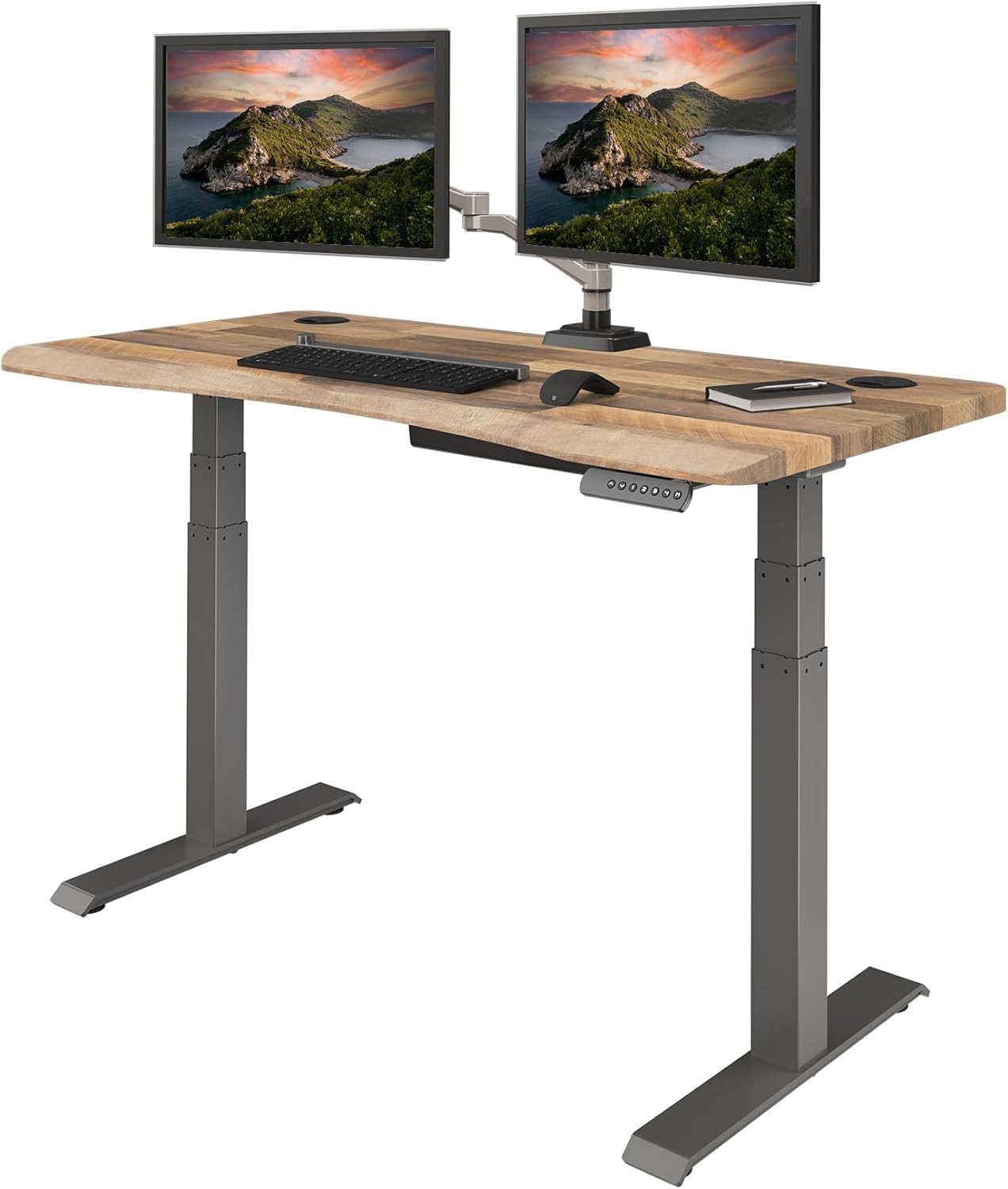
Step One: Measure the Slope Before You Buy or Adjust
Place a 48-inch carpenter's level on the floor where each leg of the desk will land. Note the bubble offset in 16ths of an inch per foot. Anything under 1/8 inch per foot is trivial and most desks self-correct. Between 1/8 and 3/8 inch per foot is the typical Victorian or 1920s craftsman range and is the sweet spot for the techniques in this guide. Past 1/2 inch per foot, you are looking at a structural issue and should consult a contractor before mounting any heavy office furniture.
A cheap laser level pointed across the room gives a more honest picture than spot-checking with a bubble. Mark the high corner of the room with painter's tape, because that is the reference point every leg will be shimmed up to.
Step Two: Pick a Desk With Real Leveling Range
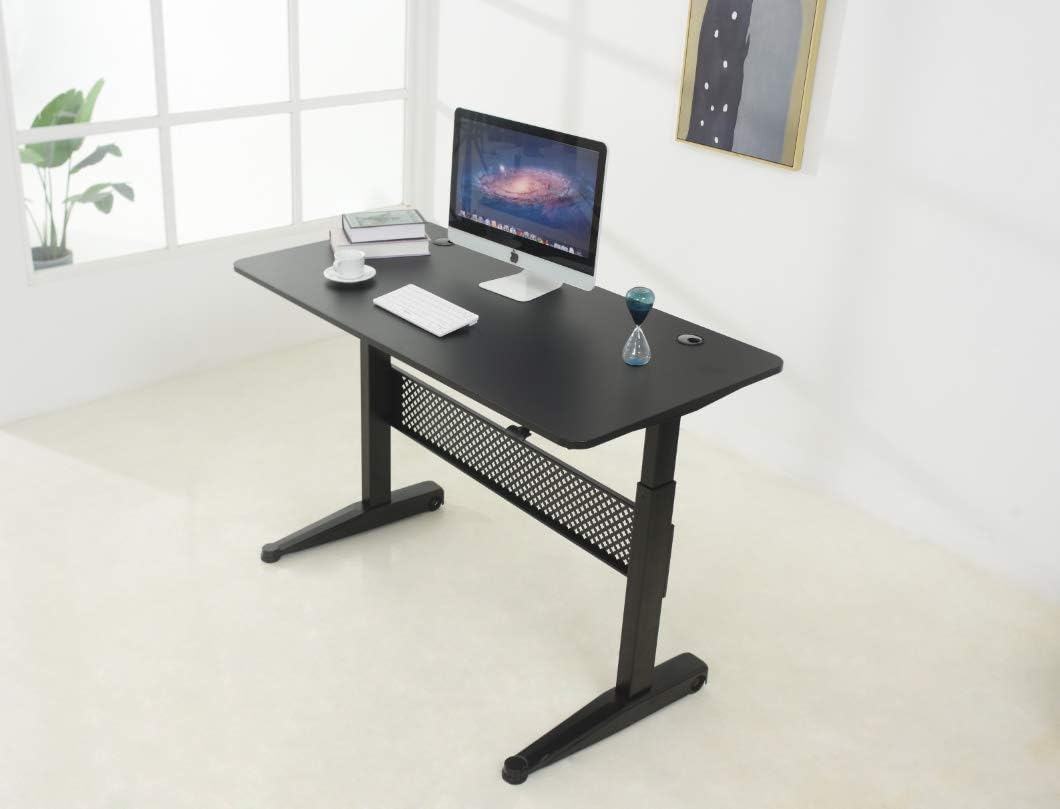
Not every sit-stand desk handles slope. Cheap single-motor units with plastic feet have almost no thread travel. Dual-motor frames with cast metal foot plates and screw-in glides give you a head start before you ever touch a shim. The three desks below are the ones I keep recommending to readers fighting sloped floors in older homes because they each have either generous foot adjustment, low effective center of gravity, or a wide stance that resists the rock that comes with shimming.
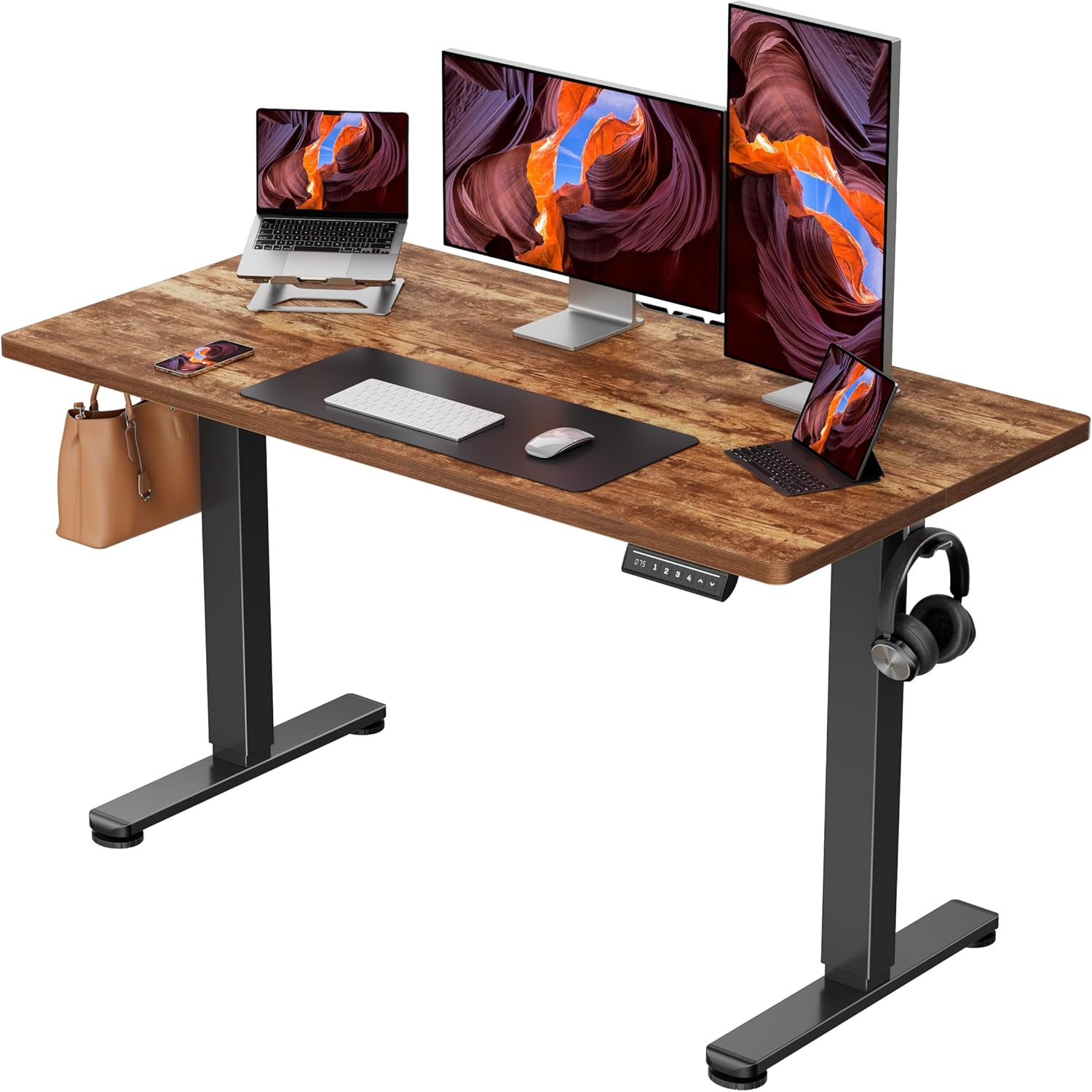
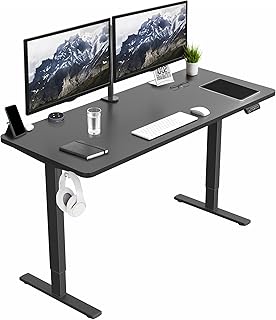
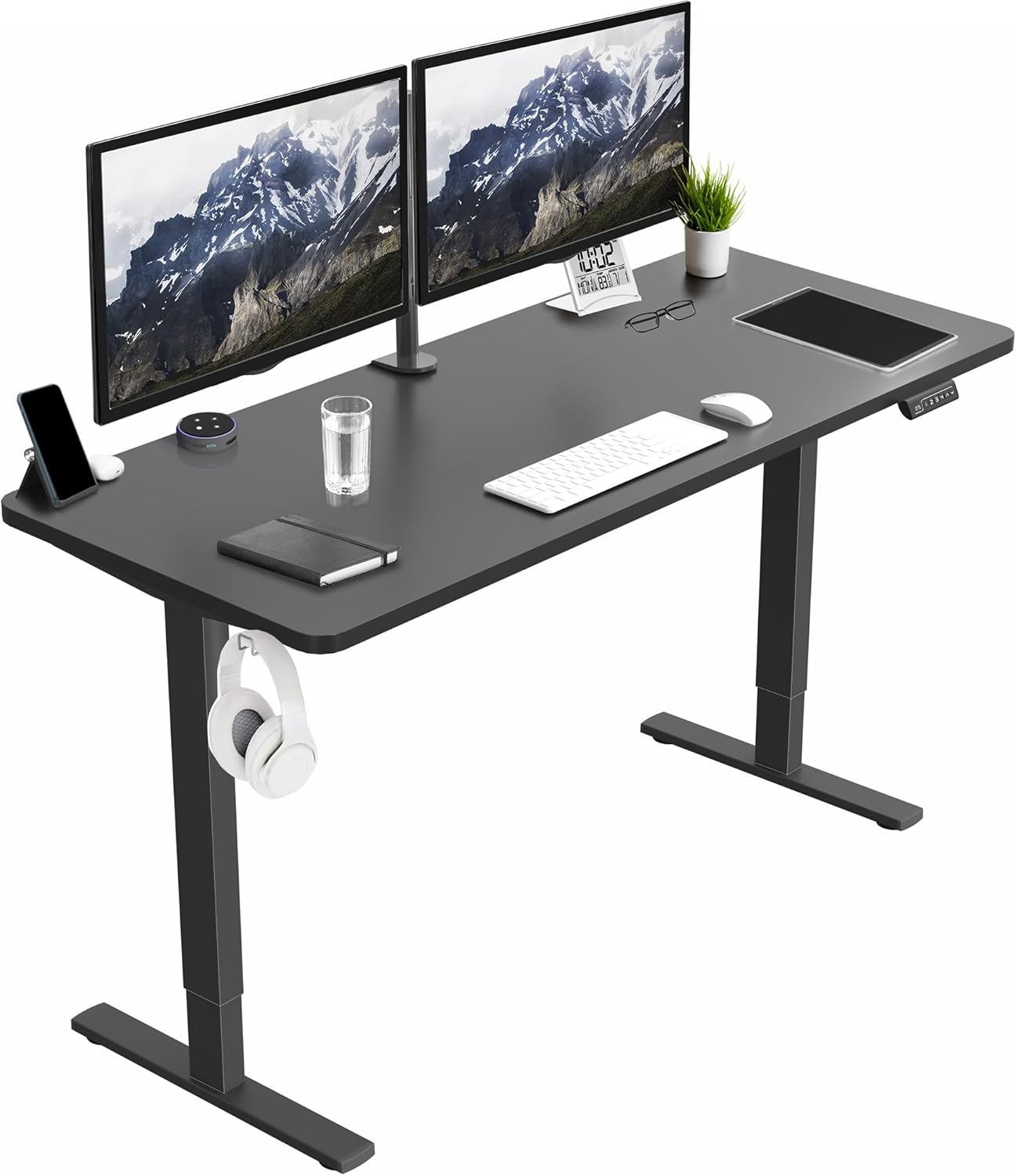
VIVO Electric 60 x 24 Standing Desk — Best for Steep Slopes and Wide Rooms
The VIVO 60-inch frame is the workhorse pick for sloped floors because the long crossbar lets you split the slope across a bigger footprint, which means less correction per leg. The cast iron foot plates accept 5/16-inch threaded glides if you want to swap the stock feet for taller leveling hardware from a hardware store, and the 220 lb load rating means you can stack heavy monitors without the column flexing on the low side. Memory presets lock in your sit and stand heights so once you compensate for slope you never have to re-level mid-day. Check current pricing at VIVO Electric 60 x 24 Standing Desk on Amazon.
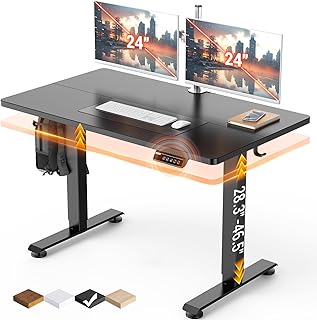
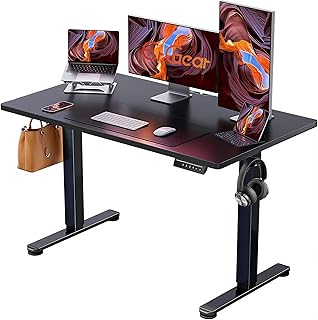
ErGear 48 x 24 Height Adjustable Electric Desk — Best Budget Pick for Mild Slopes
If your floor pitch is under 1/4 inch per foot and you have a smaller office or a converted bedroom in a pre-war row house, the ErGear 48-inch electric desk is the most forgiving entry-level option. The shorter frame means slope compensation requires less shim height, the memory motor handles the load smoothly, and the stock feet have enough thread travel to absorb minor warp in old planks without aftermarket parts. It is the desk I recommend when someone just wants the problem solved cheaply. See it at ErGear Height Adjustable Electric Standing Desk on Amazon.
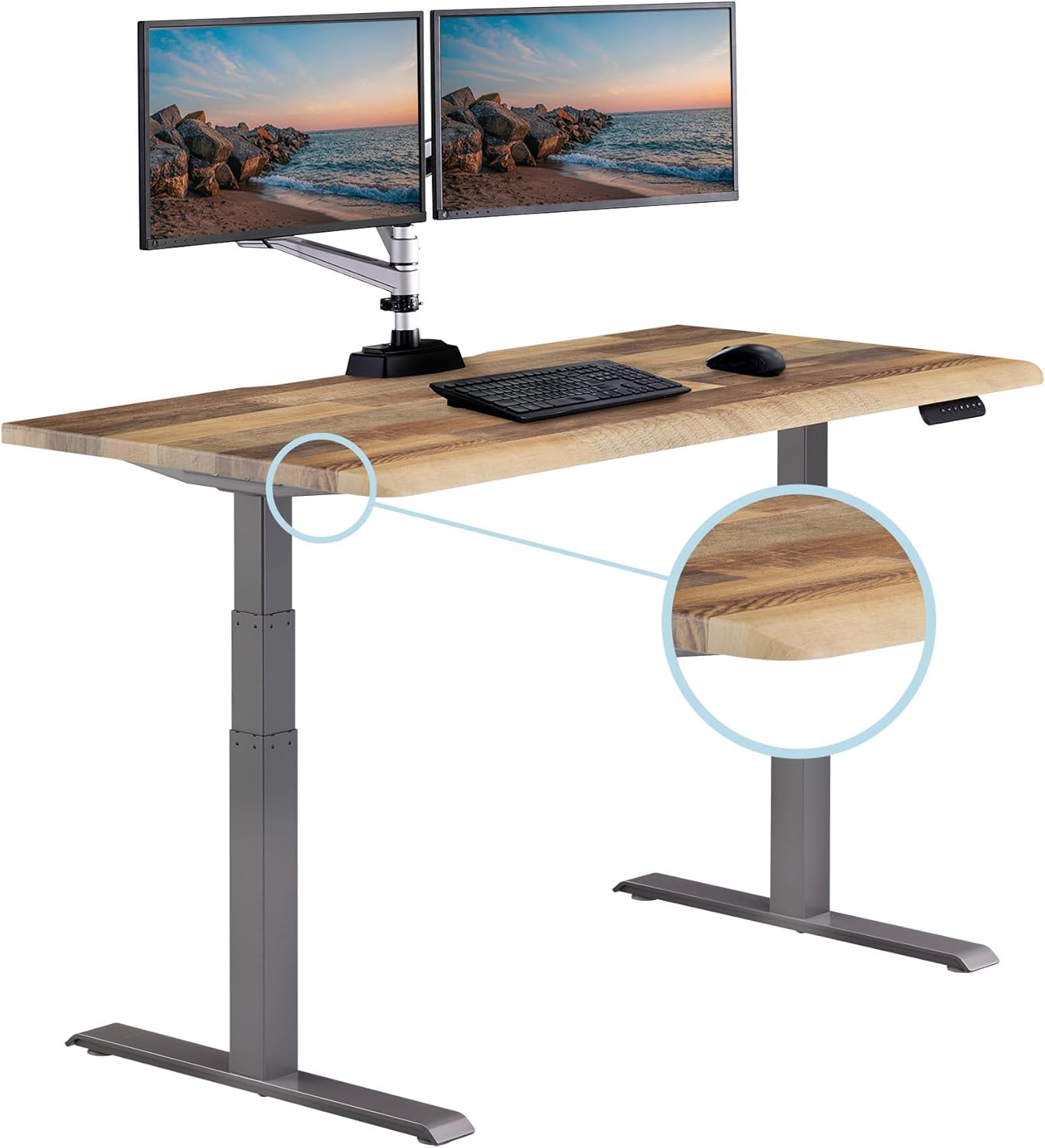
Veken 47.2 inch Standing Desk With Wood Desktop — Best for Cupped Hardwood Planks
The Veken's wood desktop and slightly narrower footprint make it the right call for tight home offices in bungalows where you have to set up in a corner with cupped boards running in inconvenient directions. The visual warmth of the wood top hides the small shims you may need to slip under the low-side foot, and the desk's lower stance at minimum height keeps the center of gravity manageable when shimmed. Available at Veken 47.2 inch Standing Desk on Amazon.
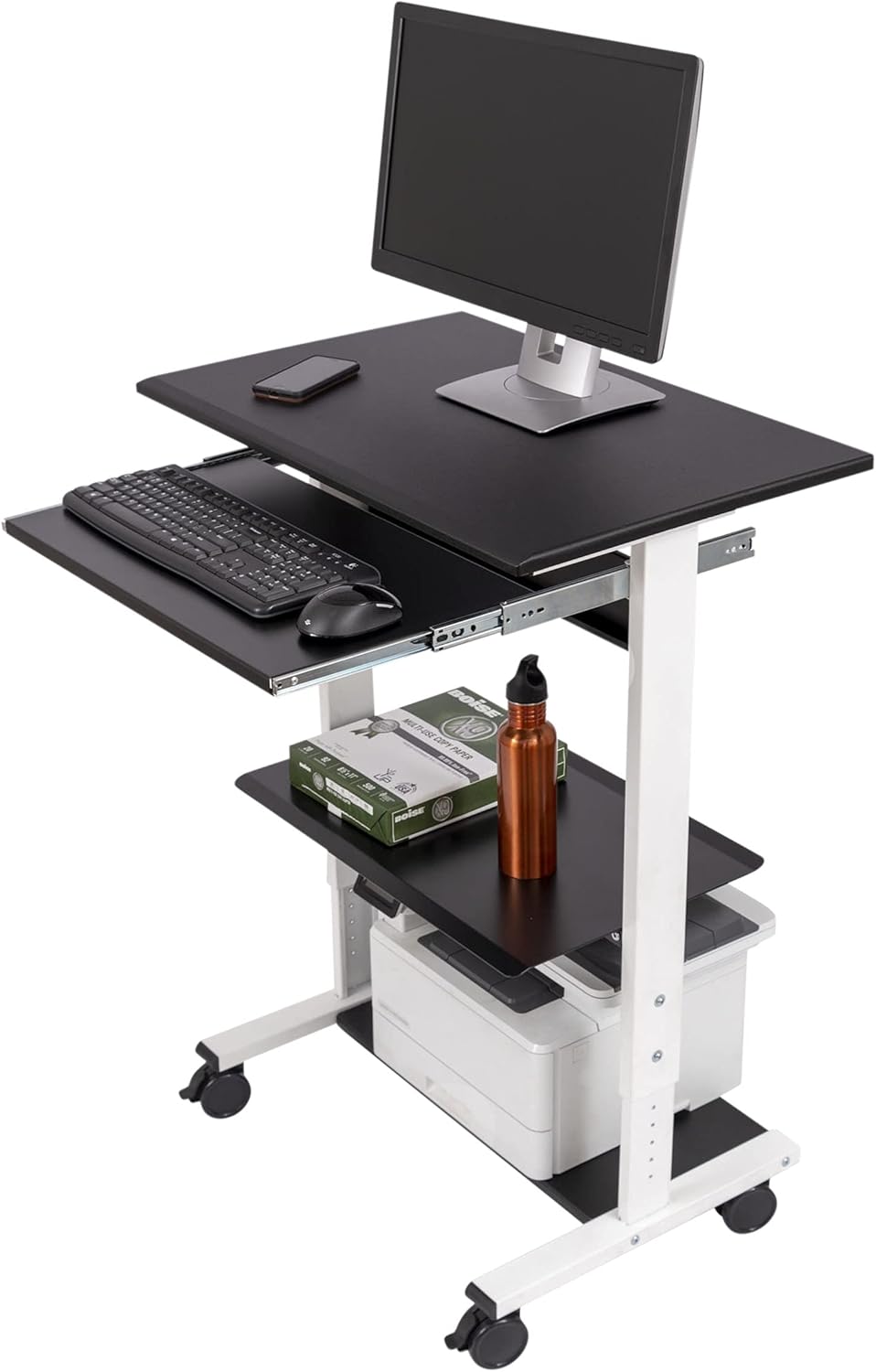
Comparison: Which Standing Desk Handles Old House Slope Best
| Desk | Footprint | Load Rating | Foot Adjustment | Best Slope Range |
|---|---|---|---|---|
| VIVO 60 x 24 Electric | 60 x 24 in | 220 lbs | High, cast plate | Up to 1/2 in per ft |
| ErGear 48 x 24 Electric | 48 x 24 in | 176 lbs | Moderate, glide feet | Up to 1/4 in per ft |
| Veken 47.2 Wood Top | 47.2 x 23.6 in | 154 lbs | Moderate, glide feet | Up to 1/4 in per ft |
Step Three: Shim Strategy for Sloped Hardwood
Once the desk is assembled and roughly positioned, lower the column to its minimum height before shimming. Working at the lowest height keeps the column from leveraging the shims out of position. Use hard rubber or composite shims, not the soft tapered cedar shims sold for door framing, because soft wood will compress under the desk load over a few months and you will be re-leveling every quarter.
Stack shims in pairs that overlap from opposite directions so the contact surface stays parallel to the foot plate. A single tapered shim creates a knife edge under the leg that punishes the foot bearing and can leave a dent in original heart pine that will outlast you. Felt furniture pads on the very bottom of the shim stack protect old finishes and add a quiet damping layer that kills resonance during typing.
Step Four: Aftermarket Leveling Feet for Stubborn Cases
When you need more than about 12 mm of correction per leg, replace the stock glide with a threaded leveling foot from any industrial supply source. The thread on most major standing desk brands is M10 x 1.5, and you can buy stainless leveling feet with 30 mm or even 50 mm of travel for under twenty dollars per set. These feet have a swiveling base disc that self-aligns to slope, which means you stop fighting the geometry and let the hardware do the math for you.
Threading in taller leveling feet does raise your minimum sitting height by roughly the same amount, so verify your chair's adjustment range before you commit. A 50 mm foot under a desk that already minimums at 28 inches will push your sit height to 30 inches, which is too tall for most users under six feet.
Step Five: Damping the Wobble That Remains
Even a perfectly leveled standing desk can wobble at full extension because of the column tolerances themselves. Add a rear anti-tip strap that anchors the back of the desk to the wall studs with a slight tension, and use a heavy monitor arm clamped to the back edge to lower the effective center of mass. The combination of wall tether and weight at the back edge silences nearly all residual sway in old houses where the floor itself flexes when you shift weight.
For more on stabilizing tall desks, see our guide on fixing standing desk wobble at maximum height and our breakdown of anti-fatigue mats that work on old hardwood.
Step Six: Re-Check After One Week
Old houses move. Humidity changes, foot traffic on adjacent rooms, and the natural settling of the building over the first week after you install heavy furniture will all shift the desk slightly off level. Put a calendar reminder for seven days out, set the desk to its highest preset, and re-run the bubble level across the desktop. Twist any leveling feet a quarter turn as needed. After that initial check, quarterly inspections are usually enough unless you live in a climate with extreme seasonal humidity swings.
What to Avoid on Sloped Old House Floors
Do not bolt the desk frame to the floor to force it level. Old subfloors will telegraph stress cracks through the finish flooring, and you will create permanent damage to repair later. Do not use the column motor to compensate for slope by manually adjusting one leg higher than the other on dual-motor desks, because the load sensors will read the mismatch as a collision and shut the desk down. And do not run a casters-and-rolling-mat setup on a sloped floor, because the desk will literally roll downhill toward the low wall over a workday.
For broader buying advice on older homes, see the best standing desks for converted bedroom offices.
Frequently Asked Questions
How much slope can a standing desk safely handle on an old wood floor?
Most quality electric standing desks tolerate up to 1/4 inch of slope per foot using only their built-in leveling feet. Past that, you need shims or aftermarket leveling glides. Beyond 1/2 inch per foot the floor itself probably needs structural attention before you put any tall furniture on it.
Will leveling feet damage original hardwood floors?
Threaded steel leveling feet with bare metal discs can dent or scratch old soft pine floors under a loaded standing desk. Always slip a felt or rubber pad between the foot disc and the floor. Hard rubber under steel spreads the load and prevents the small impressions that show up after a few months of standing desk use.
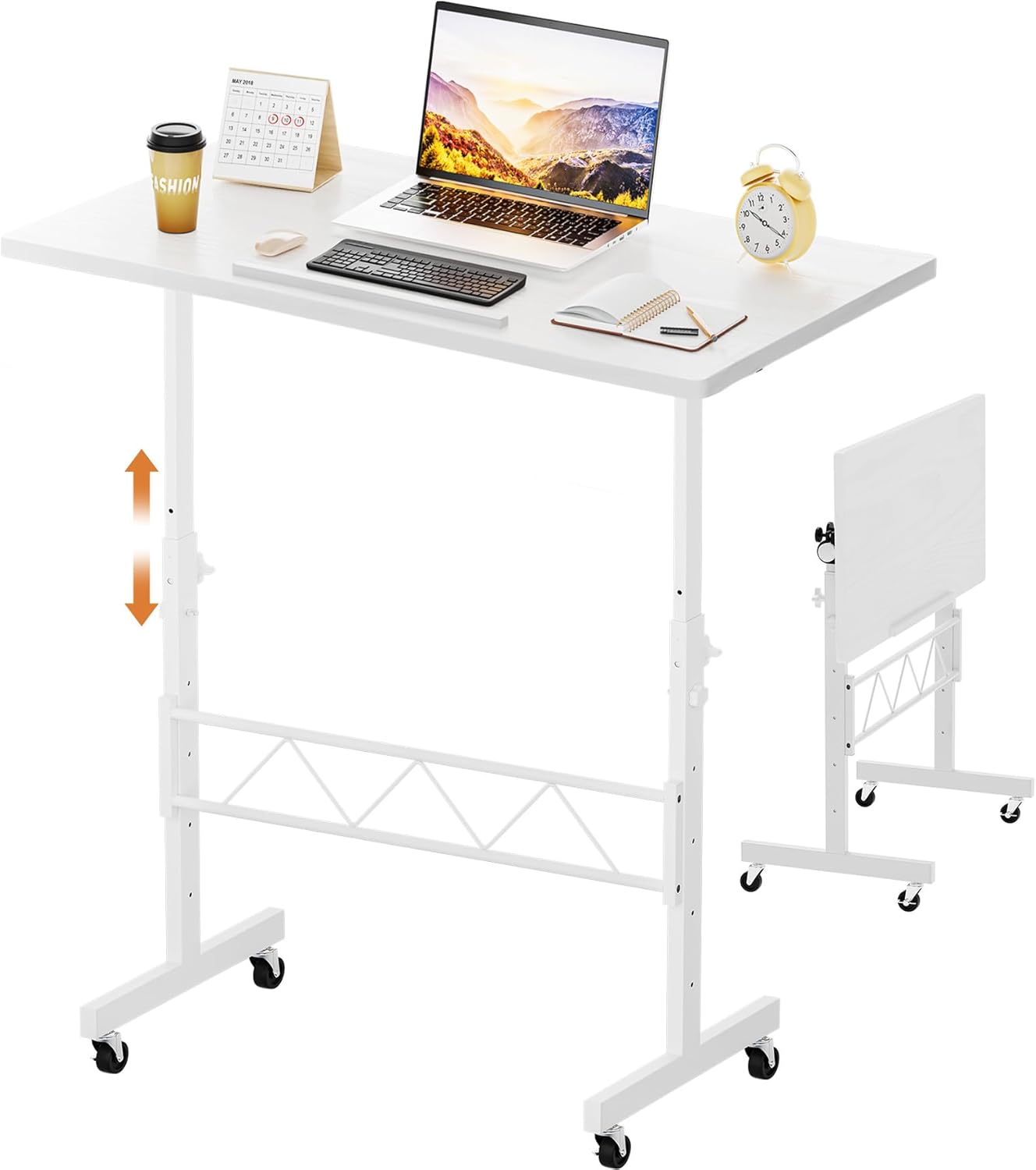
Can I use a rolling standing desk on a sloped floor in an old house?
No. Casters defeat any leveling work you do because the desk will creep downhill throughout the day, the column will rack against the slope, and any locked casters concentrate the entire load on plastic wheels that mark hardwood. Use a fixed-foot frame and shim it properly instead.
What is the best shim material for leveling a standing desk on cupped planks?
Hard composite or HDPE plastic shims hold their shape under load and resist humidity better than cedar wood shims. Stack them in opposing pairs so the contact surface stays parallel to the desk foot, and finish with a felt pad on the bottom to protect the floor finish.
Do dual-motor standing desks handle uneven floors better than single-motor models?
Yes, in two ways. Dual-motor frames have stiffer crossbars that resist twist when one leg is shimmed higher, and the synchronized motors handle uneven load resistance more gracefully. Single-motor desks with a connecting drive shaft can bind on sloped floors and throw error codes mid-lift.
How do I keep my standing desk stable when the floor is uneven and the desk wobbles at standing height?
After leveling the feet, anchor the desk to the wall with a low-tension anti-tip strap and clamp a monitor arm to the back edge to lower the center of gravity. Most residual sway in old homes comes from floor flex under your shifting weight, and the wall tether removes that variable entirely.
Should I replace my old house floor before installing a standing desk?
Usually not. The leveling techniques in this guide handle the vast majority of pre-1960 floors without touching the floor itself. Only consider floor repair if the joists are visibly sagging more than half an inch across a single room, which indicates a structural issue that goes well beyond standing desk placement.
Key Takeaways
- Choosing the right level standing desk uneven old house floors means matching capacity and output ports to your actual devices
- Always check actual watt-hours (Wh), not just watts — runtime depends on Wh, not peak output
- Also covers: standing desk sloped floor fix
- Also covers: uneven floor desk leveling
- Also covers: old house floor standing desk
- Compare price-per-Wh across models to find the best value for your budget