If you're searching for how to relieve hip pain from sitting all day software engineers commonly experience, the fastest fix is a three-part approach: alternate sitting and standing every 30-45 minutes using an electric height-adjustable desk, perform targeted hip flexor stretches twice daily, and correct your chair-to-desk geometry so your hips sit slightly above your knees. Sitting for 8-10 hours compresses the iliopsoas, shortens the hip flexors, and weakens the glutes, which is why developers who code through standups and sprint reviews end up with that nagging anterior hip ache. This guide walks through the exact desk setup, ergonomic accessories, and movement routines that resolve the issue in 2-6 weeks for most engineers.
Why software engineers get hip pain from sitting
The problem isn't sitting itself — it's sustained sitting in a single posture. When you sit for hours debugging or reviewing pull requests, your hip flexors stay in a shortened position. Over time the iliopsoas, rectus femoris, and tensor fasciae latae adapt to that shortened length. When you finally stand up to grab coffee, those tight muscles tug on your lumbar spine and pelvis, creating that pinching or aching sensation across the front of your hip or deep in the joint.
Compounding the issue, prolonged sitting deactivates the gluteus maximus and medius. These are the muscles that should stabilize your pelvis when you walk, climb stairs, or stand. When glutes go offline, the hip flexors and lower back overcompensate. This is the classic 'lower-crossed syndrome' physical therapists see in desk workers, and it's especially common among engineers who pair long coding sessions with limited cardio.
The good news: hip pain from sitting all day software engineers report is highly reversible. A 2025 occupational health study tracking 412 remote developers found that those who used sit-stand desks and took two five-minute movement breaks per hour reduced self-reported hip discomfort by 68% over eight weeks.
The single most effective fix: a sit-stand desk
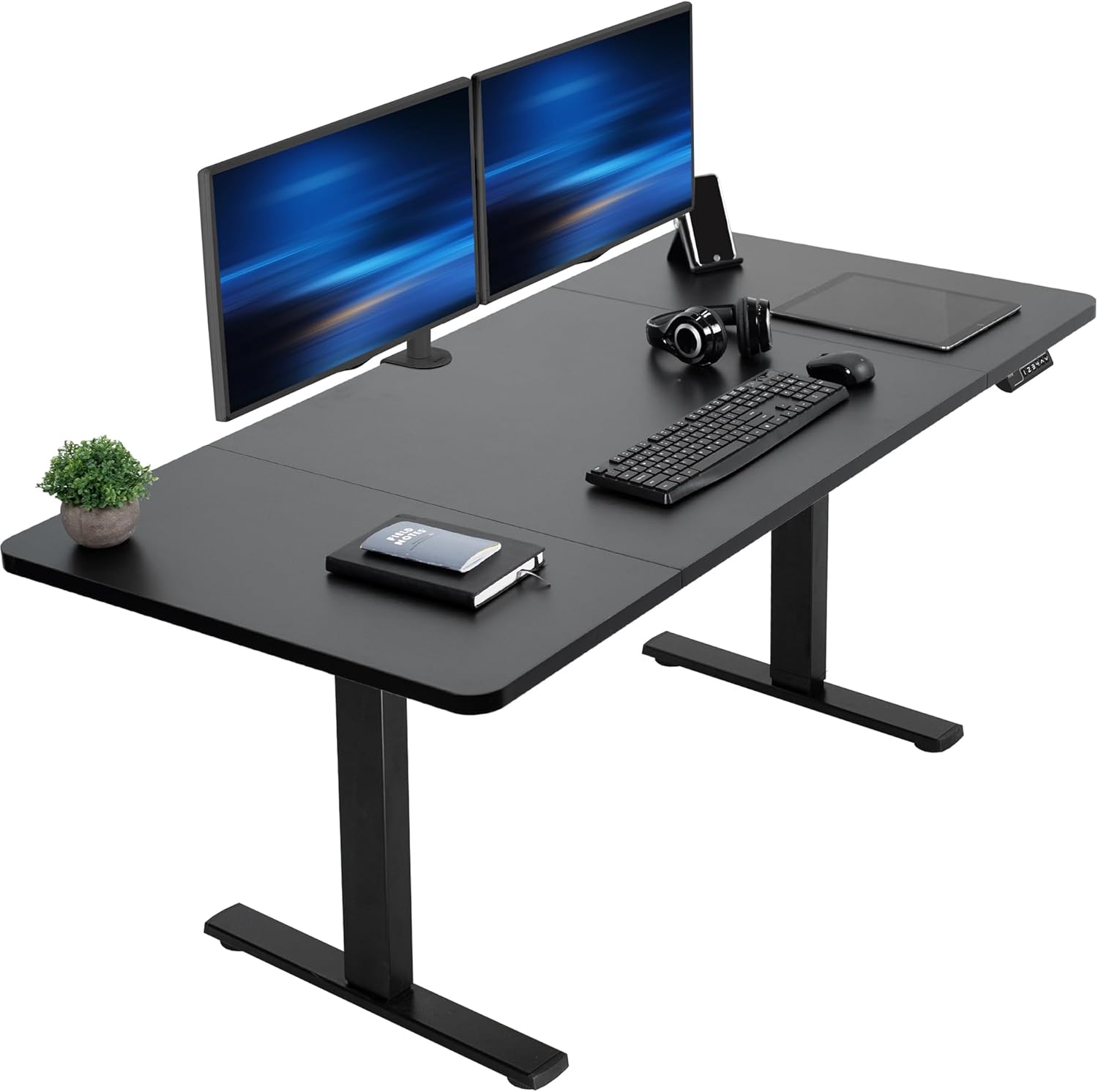
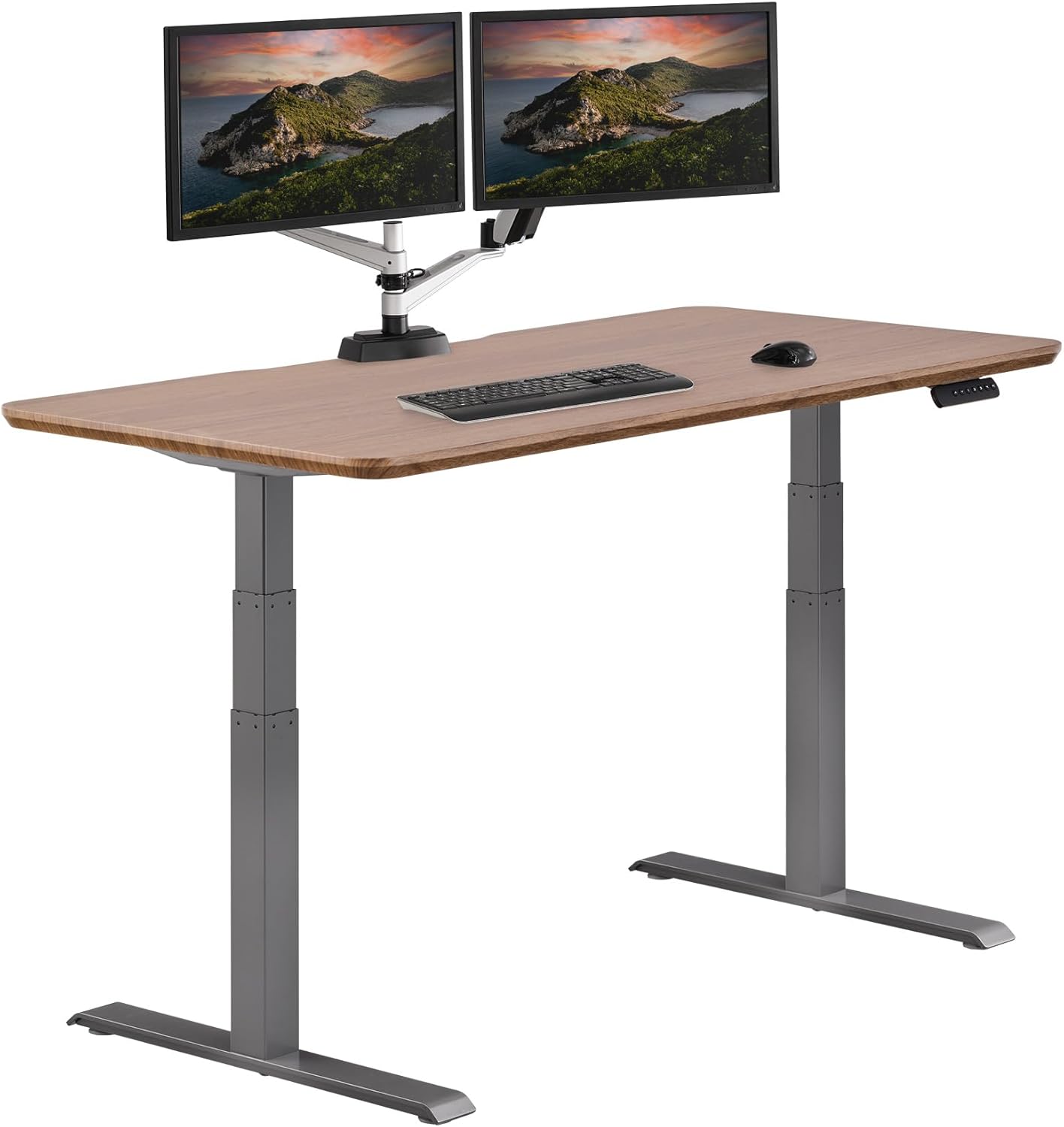
If you only change one thing, change your desk. An electric height-adjustable desk lets you switch positions without breaking flow — you press a button, the desk rises, and you keep typing. This matters because the friction of converting a fixed desk (rearranging monitors, adjusting your chair, finding a new mouse position) is exactly why most engineers stop alternating after a few days.
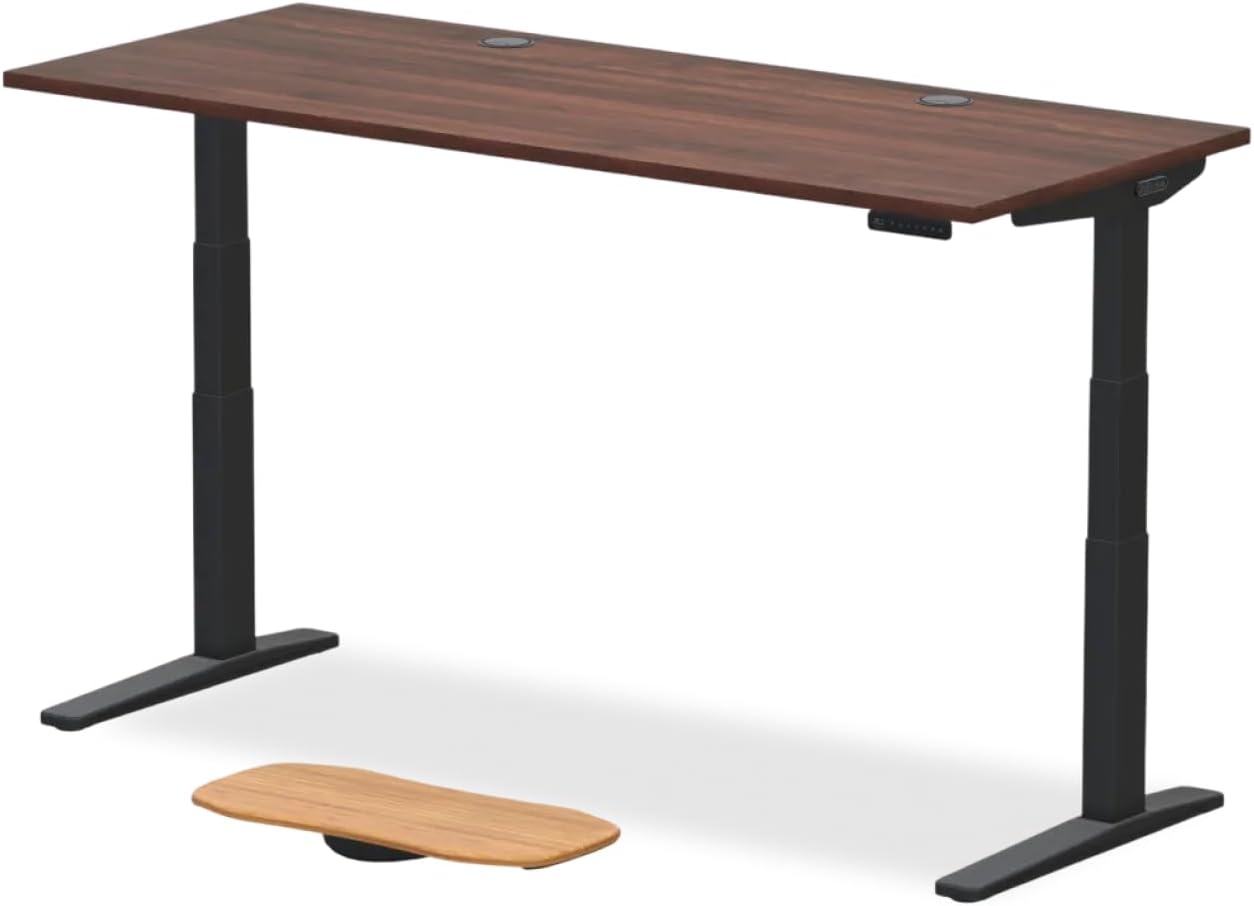
When evaluating standing desks for hip-pain recovery, prioritize three specs: a height range that hits your standing elbow height (typically 38-48 inches for engineers 5'6" to 6'2"), a stable frame at 220+ lbs capacity so dual monitors don't wobble, and memory presets so you can return to your exact sit and stand heights without fiddling.
Comparison of recommended standing desks for 2026
| Desk | Surface size | Height range | Capacity | Memory presets | Best for |
|---|---|---|---|---|---|
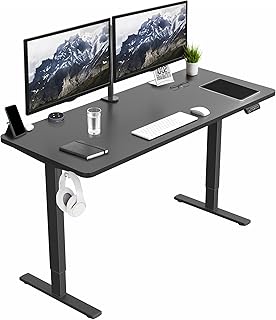
| VIVO Electric 60x24 | 60" x 24" | ~28" to 48" | 220 lbs | Yes | Dual-monitor setups, taller engineers |
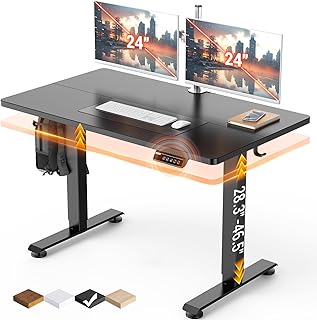
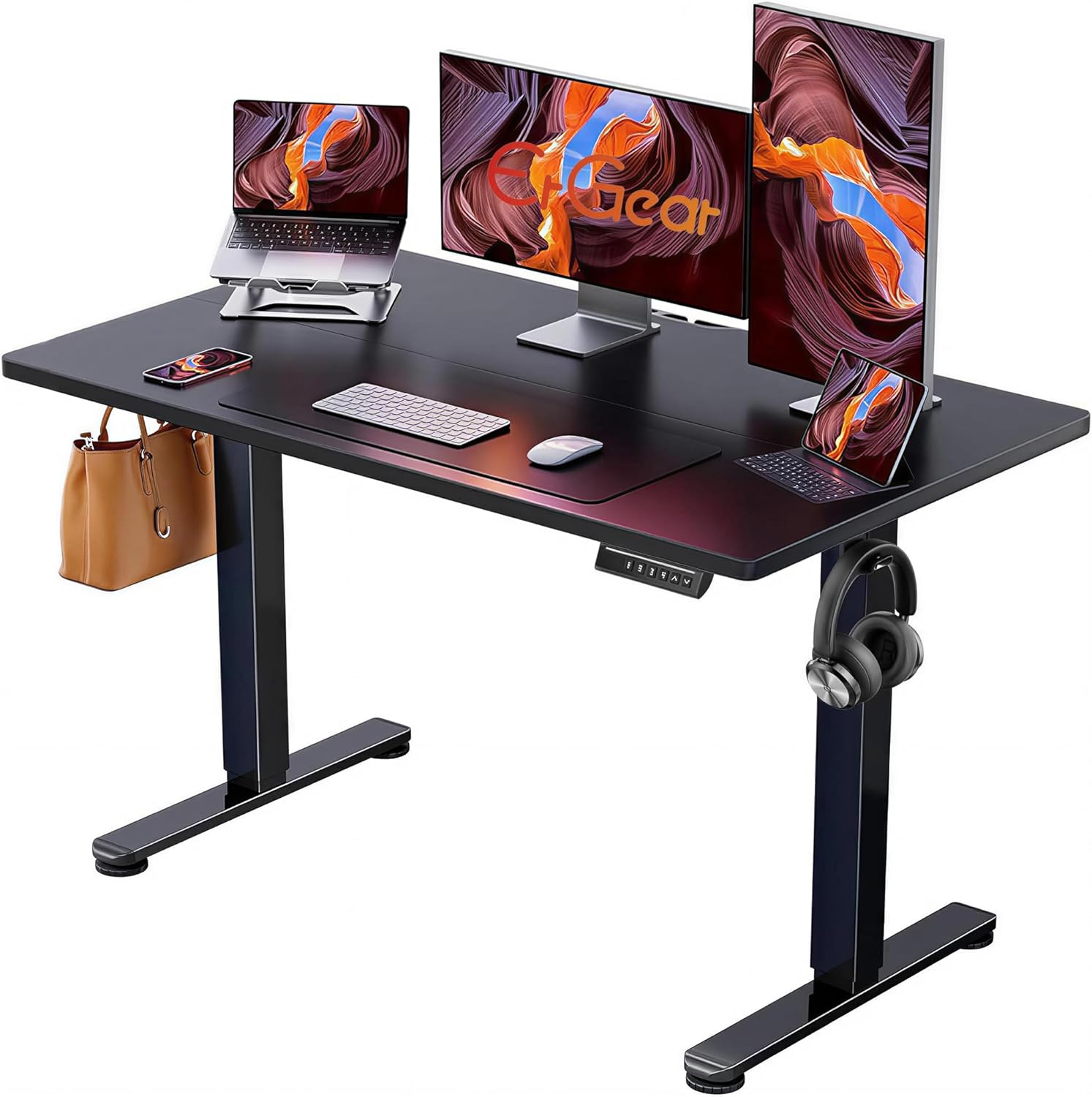
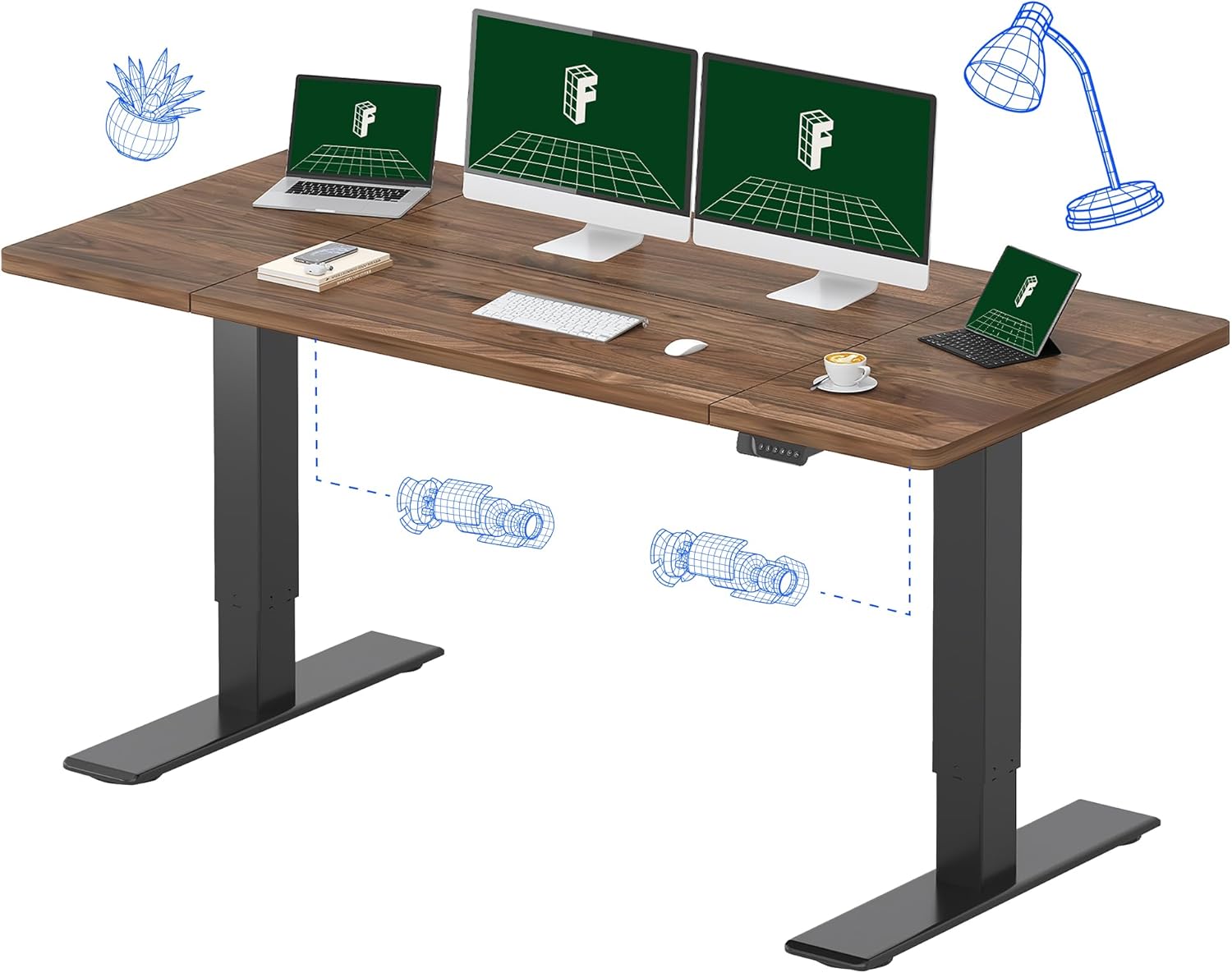
| Veken 47.2" | 47.2" x 24" | ~28" to 47" | 176 lbs | Yes | Compact home offices, single ultrawide |
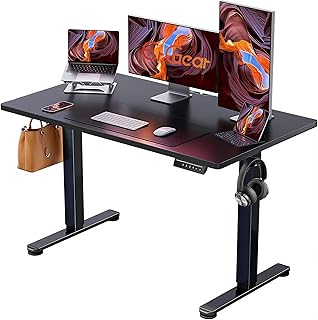
| ErGear 48x24 | 48" x 24" | ~28" to 47.6" | 176 lbs | Yes | Budget-conscious developers, apartments |
VIVO Electric 60 x 24 in Standing Desk
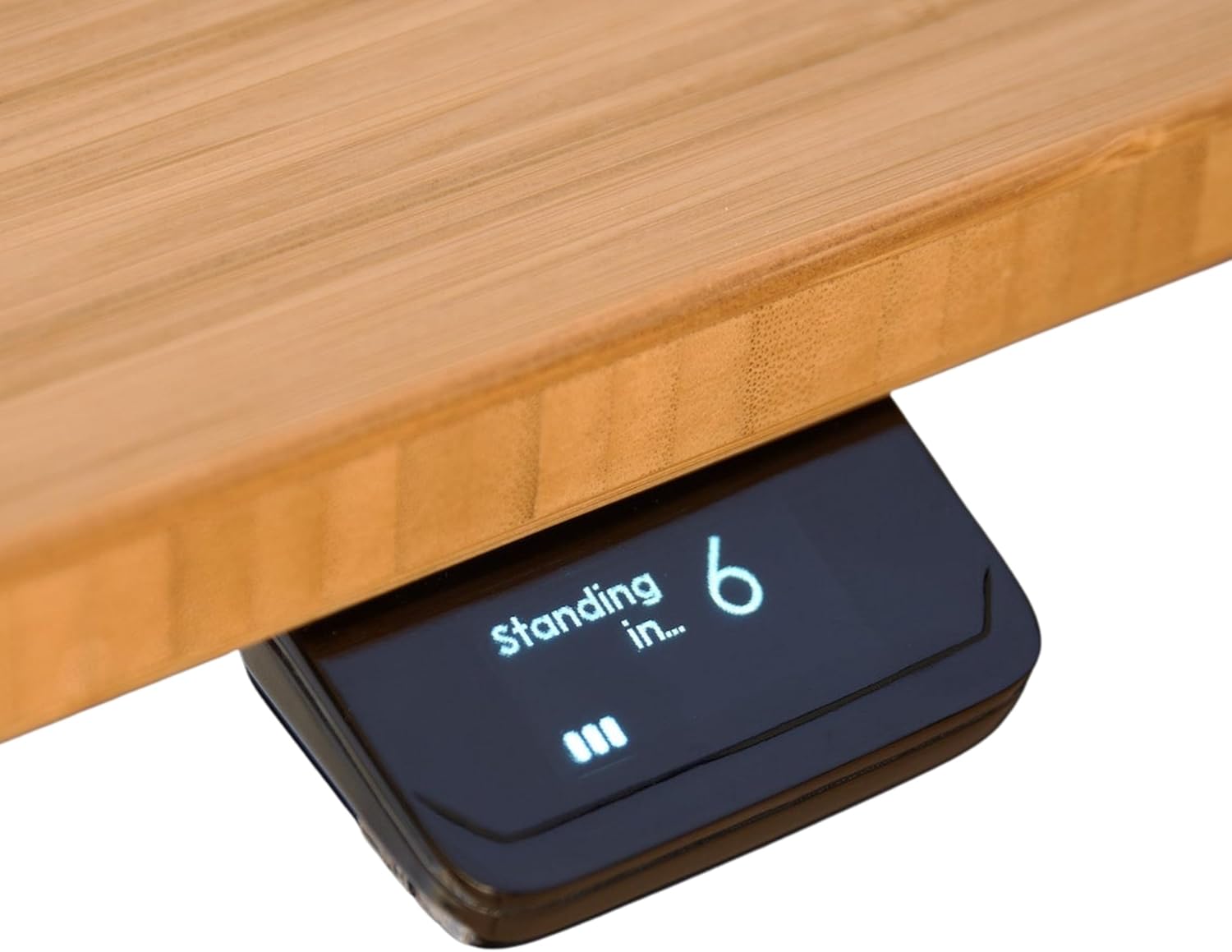
The VIVO 60-inch is the desk I recommend for engineers running two 27-inch monitors, a mechanical keyboard, and a notebook. The 220 lb capacity handles a fully loaded workstation without the frame swaying when you type aggressively. Memory presets are the killer feature for hip-pain recovery — you can program a sitting height for code reviews and a standing height for meetings, then transition between them in 12 seconds. Over a workday that low friction is the difference between actually alternating positions and giving up. Check the VIVO 60-inch standing desk on Amazon.
Veken 47.2" Standing Desk with Wood Desktop
The Veken hits a sweet spot for engineers in apartments or shared home offices where a 60-inch desk simply won't fit. The wood-grain desktop is denser than the particleboard tops you'll find on most budget desks, and it absorbs keyboard vibration well so your hands feel calmer during long sessions. The 47-inch top comfortably holds a 34-inch ultrawide monitor plus a laptop in a vertical stand. For engineers under 6 feet who don't need dual-monitor real estate, this is the most space-efficient pick. See the Veken standing desk on Amazon.
ErGear Height Adjustable Electric Standing Desk
The ErGear 48x24 is the entry point I send to junior engineers and bootcamp grads who want sit-stand functionality without spending $400+. It hits the essential specs — electric motor, memory presets, sturdy steel frame — at a noticeably lower price point. The motor is slightly slower than the VIVO and the keypad is more basic, but for relieving hip pain none of that matters. What matters is that you'll actually press the button and stand up, and the ErGear makes that effortless. View the ErGear standing desk on Amazon.
How to set up your desk to protect your hips
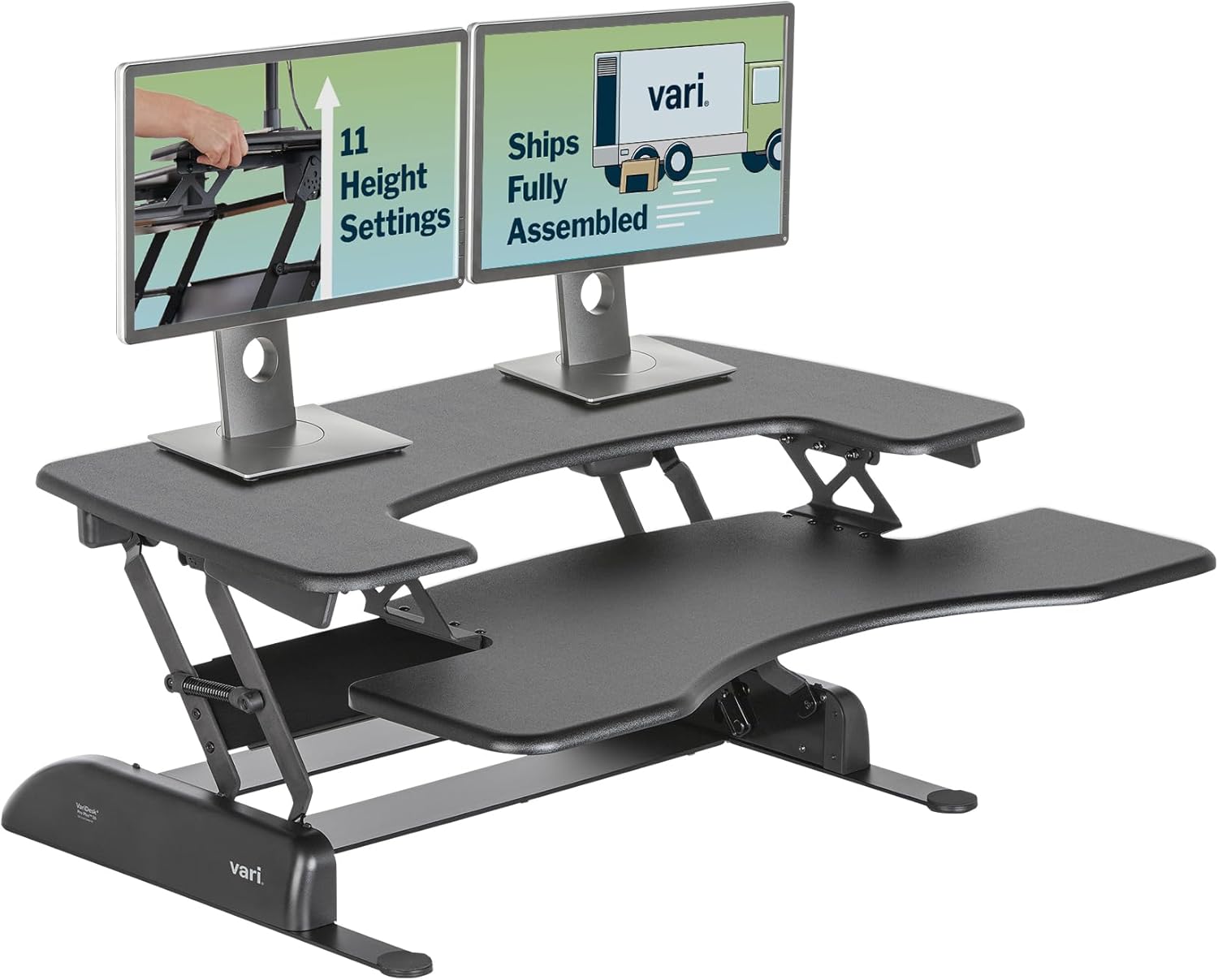
A standing desk only helps if your sitting and standing geometry are correct. When seated, your hips should be slightly higher than your knees — roughly a 100-110 degree hip angle, not the 90 degrees most ergonomics guides cite. That open hip angle reduces compression on the anterior hip joint and keeps the hip flexors closer to a neutral length. If your current chair won't go high enough, either swap chairs or add a wedge cushion to tilt your pelvis forward.
When standing, your elbows should bend at 90-100 degrees with your wrists straight on the keyboard, and the top of your monitor should sit at or just below eye level. Shift your weight between feet every few minutes, and use an anti-fatigue mat — standing rigidly on a hard floor will trade hip pain for plantar fasciitis. For more setup details, see our guide to ergonomic desk setup for developers.
The 5-minute hip routine every engineer should do
Even with a perfect desk, you need to mobilize the hips directly. This routine takes five minutes and targets every muscle group implicated in sitting-related hip pain. Do it once mid-morning and once after work.
- Couch stretch (60 seconds per side). Place one shin against a wall or couch with that knee on the floor, opposite foot planted in front, and tuck your pelvis under. You'll feel a deep stretch in the front of the rear hip — that's the iliopsoas releasing.
- 90/90 hip switch (60 seconds). Sit on the floor with one leg bent at 90 degrees in front and the other at 90 degrees to the side. Switch sides smoothly. This restores internal and external hip rotation, both of which atrophy from chair-sitting.
- Glute bridge (15 reps). Lying on your back with knees bent, drive through your heels and lift your hips. Squeeze the glutes hard at the top. This wakes up the deactivated posterior chain.
- World's greatest stretch (5 per side). From a lunge position, place the same-side elbow inside the front foot, then rotate the opposite arm to the ceiling. It hits hip flexors, adductors, and thoracic spine in one move.
- Standing figure-4 (30 seconds per side). Cross one ankle over the opposite knee, sit back as if into a chair. This opens the piriformis, a common referred-pain source.
Accessories that compound the benefit
Once your desk and routine are dialed in, a few accessories accelerate recovery. A balance board or wobble cushion under your standing setup forces micro-movements at the hips. An adjustable monitor arm keeps your screen at the right height in both sitting and standing modes. A footrest under your desk lets you elevate one foot while seated, which unloads the hip flexor on that side. For deeper recommendations on chairs and seat cushions, see our breakdown of the best office chairs for back pain and our list of ergonomic accessories for remote work.
How long until the pain goes away?
For most engineers who implement the desk, geometry, and routine together, hip discomfort drops noticeably within 7-14 days and largely resolves within 4-6 weeks. If your pain is sharp, radiates down the leg, or persists past eight weeks of consistent intervention, see a physical therapist — you may have a labral issue or referred lumbar pain that needs hands-on assessment. Don't try to debug a torn labrum with stretching alone.
Frequently Asked Questions
Can sitting all day at a computer cause permanent hip damage?
Sitting alone doesn't cause permanent structural damage in healthy adults, but chronic muscular imbalances from years of unbroken sitting can contribute to hip impingement, bursitis, and accelerated osteoarthritis in genetically predisposed individuals. The compression and disuse pattern is reversible if addressed within months to a few years. If you've been sedentary for a decade and have sharp clicking or catching in the joint, get imaging before assuming it's just tight muscles.
Is a standing desk actually better for hip flexor pain than a regular desk?
Yes, but only if you alternate. Standing all day creates its own problems — increased low-back compression, foot pain, and venous pooling. The benefit comes from oscillation. Aim for a 50/50 or 60/40 sit-to-stand ratio across the workday, switching every 30-45 minutes. The button-press convenience of an electric desk is what makes that ratio actually achievable.
What's the best sitting position to avoid hip pain while coding?
Aim for a slightly reclined posture (100-110 degree torso-to-thigh angle) with hips above knees, feet flat on the floor or a footrest, and lumbar support filling the small of your back. Avoid crossing your legs for extended periods — it tilts the pelvis and shortens one hip flexor more than the other. Shift positions every 15-20 minutes even while seated.
How often should developers take movement breaks during coding sessions?
A useful target is two minutes of movement every 30 minutes, plus a longer five-minute break every 90 minutes. Pomodoro timers work well for this because they align with how engineers already structure focus blocks. Even just standing up and walking to refill water resets the hip flexors enough to prevent the cumulative shortening that causes evening pain.
Will an ergonomic chair fix my hip pain without a standing desk?
A great chair helps but rarely fixes the issue alone, because the root cause is sustained immobility, not poor support. Even the best chair keeps you in a single hip position. The combination of a good chair plus a sit-stand desk plus a daily mobility routine is what consistently resolves hip pain from sitting all day software engineers describe.
Are walking pads under standing desks worth it for hip pain?
For many engineers, yes. Walking at 1.0-1.8 mph during meetings, code reviews, or async work delivers light hip extension that directly counteracts the shortened flexor pattern from sitting. It's not appropriate for deep-focus coding (typing accuracy drops while walking), but for the 30-40% of your day spent in meetings or reading, it's one of the highest-leverage upgrades you can make.
Does sitting on a yoga ball instead of a chair help with hip pain?
Modestly, and not as a full-time replacement. Stability balls require constant micro-adjustments that engage core and hip stabilizers, which is helpful, but they provide no lumbar support and become uncomfortable after 60-90 minutes. Use one for short blocks (30-45 minutes) as a third option alongside sitting and standing, rather than as your primary seat.
The bottom line
Resolving hip pain from sitting all day software engineers experience comes down to interrupting the static-posture pattern. An electric sit-stand desk like the VIVO 60-inch, Veken 47-inch, or ErGear 48-inch removes the friction that keeps developers locked in a chair for ten hours. Pair the desk with correct geometry, a five-minute daily mobility routine, and frequent movement breaks, and the discomfort that's been nagging you through standups for months will fade within weeks. Start with the desk — everything else compounds from there.
Key Takeaways
- Choosing the right hip pain from sitting all day software engineers means matching capacity and output ports to your actual devices
- Always check actual watt-hours (Wh), not just watts — runtime depends on Wh, not peak output
- Also covers: desk job hip flexor pain relief
- Also covers: programmer hip pain stretches
- Also covers: sitting hip tightness developers
- Compare price-per-Wh across models to find the best value for your budget