To stop uplift v2 desk feet scratching hardwood floors as a renter, you need three things: thick adhesive felt pads, silicone furniture caps that slip over the glide feet, and a low-profile rug or chair mat under the entire frame footprint. None require drilling or modification a landlord can flag at move-out. The Uplift V2's stock plastic glides are hard polymer with sharp molded edges that act like sandpaper every time you nudge the desk—even a few millimeters of side load while standing leaves crescent gouges. Address it now, before scratches set into stained oak or engineered planks.
Why the Uplift V2's Stock Glide Feet Damage Hardwood
The Uplift V2 ships with hard ABS plastic glide pads seated into the underside of each foot plate. These glides fail on hardwood for two reasons:
- Sharp molded perimeter: The edge where the glide meets the steel foot plate is a near-90-degree corner. Under load, that edge concentrates pressure into a tiny contact patch—the same physics as a stiletto heel on a soft floor.
- Grit collection: Plastic glides are slightly tacky and trap dust, sand, and microscopic abrasives. When you reposition the desk even by a centimeter, those particles act like 60-grit sandpaper against your finish.
The desk weighs 80–130 lbs empty depending on configuration, plus another 30–60 lbs once you load monitors, a CPU, and accessories. That's 150+ pounds distributed across four small glide pads, each pressing into your floor at roughly 35–40 PSI of static load. Hardwood finishes—polyurethane, oil-based, or factory aluminum-oxide—are designed for foot traffic, not point loads from plastic edges.
Renters face an additional problem: most leases include "ordinary wear and tear" clauses that explicitly exclude furniture-induced gouges. A landlord can legally deduct hundreds from your security deposit for refinishing a strip of oak, and there's case law backing them up. The fix is cheap; the damage is not.
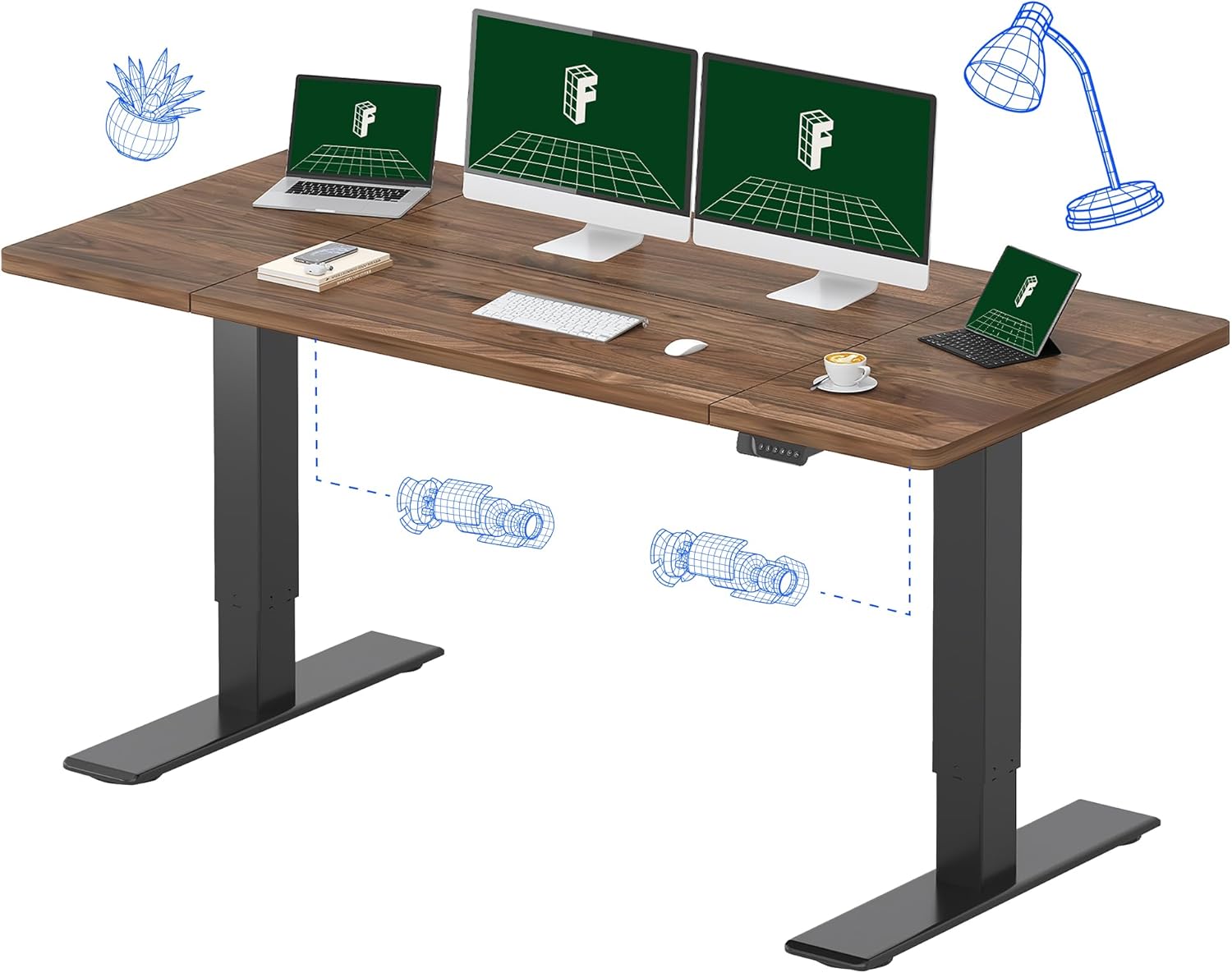
Solution 1: Industrial Adhesive Felt Pads (the Baseline Fix)
The single most effective intervention is a 5mm or thicker self-adhesive felt pad applied directly to the bottom of each Uplift V2 foot. Don't buy the thin 1mm pads from the dollar store—they compress to nothing within a week and the adhesive fails as soon as the desk shifts under standing load.
What to look for in 2026:
- Thickness: 5–8mm. Thicker pads absorb the micro-vibrations from the lift motors that grind grit into the floor.
- Density: 100% wool felt or high-density polyester. Avoid loose fiber pads sold for chair legs.
- Adhesive: 3M VHB or equivalent acrylic foam tape. Standard pressure-sensitive adhesive lets go within months.
- Diameter: Cut to match the full foot plate, not just the glide area. The Uplift V2 standard foot is about 2.5 inches wide—use a 3-inch round or a custom rectangular cut.
Installation takes 10 minutes. Tip the desk on its side (easier with two people, but one person can lean it against a wall), wipe each foot with isopropyl alcohol, peel, and press. Let it cure for 24 hours before loading.
Solution 2: Silicone Slip-On Furniture Caps
If you move the desk often—reconfiguring your room or vacuuming under it weekly—felt pads will eventually pill, snag, and tear off. Silicone caps solve that problem. They're flexible, stretchy hoods that slip over the entire Uplift V2 foot and stay put through repositioning.
Look for caps rated for 2.5- to 3-inch furniture legs with a felt-lined interior. The all-silicone versions grip the floor too aggressively and can leave plasticizer marks on light-stained hardwood; the felt-lined hybrids glide smoothly without abrasion. Black or clear are the most discreet for a Jet or Industrial-black Uplift frame. A four-pack runs $8–15 and is fully reversible at move-out—pull them off and the foot plate underneath is pristine.
Solution 3: Low-Pile Rug or Office Chair Mat Under the Footprint
The belt-and-suspenders approach: put something between the entire desk and the floor. This is non-negotiable if you also roll a chair under the desk, because chair casters do more damage to hardwood than the desk feet ever will.
- Low-pile wool rug (best): A 5x7 or 6x8 area rug under the desk and chair zone is the cleanest aesthetic and the most effective at absorbing motor vibration. Wool resists crushing better than synthetic.
- Bamboo or cork chair mat (mid-tier): Rigid mats designed for office chairs. Make sure the mat is rated for hardwood (some are designed for carpet and have grip teeth that gouge wood).
- PVC chair mat (avoid): Vinyl mats off-gas plasticizers that can permanently discolor polyurethane finishes—a renter horror story you don't want to live.
See our companion guide on choosing a chair mat that won't stain hardwood for specific picks.
Solution 4: Swap the Glide Feet for Locking Caster Wheels
Uplift sells aftermarket caster wheels that bolt directly to the V2 foot plates. They run about $79 a set, and the locking versions actually hold the desk in place better than the stock glides because the caster surface is softer rubber that conforms to floor irregularities. The catch: you have to keep the original glide hardware safe so you can revert at move-out. For renters, this is overkill unless you genuinely move the desk every week. Felt pads plus a rug get you 95% of the protection at 10% of the cost.
Comparison: Renter-Friendly Floor Protection Options
| Solution | Cost | Reversible? | Best For |
|---|---|---|---|
| 5mm wool felt pads | $10–15 | Yes (alcohol cleans residue) | Static desk placement |
| Silicone slip-on caps | $8–15 | Fully reversible | Frequent repositioning |
| Low-pile wool rug | $80–250 | Fully reversible | Desk + chair zone combined |
| Bamboo chair mat | $60–150 | Fully reversible | Compact spaces, no rug |
| Aftermarket casters | $79+ | Yes if stock parts kept | Weekly desk movement |
When to Consider a Different Standing Desk Entirely
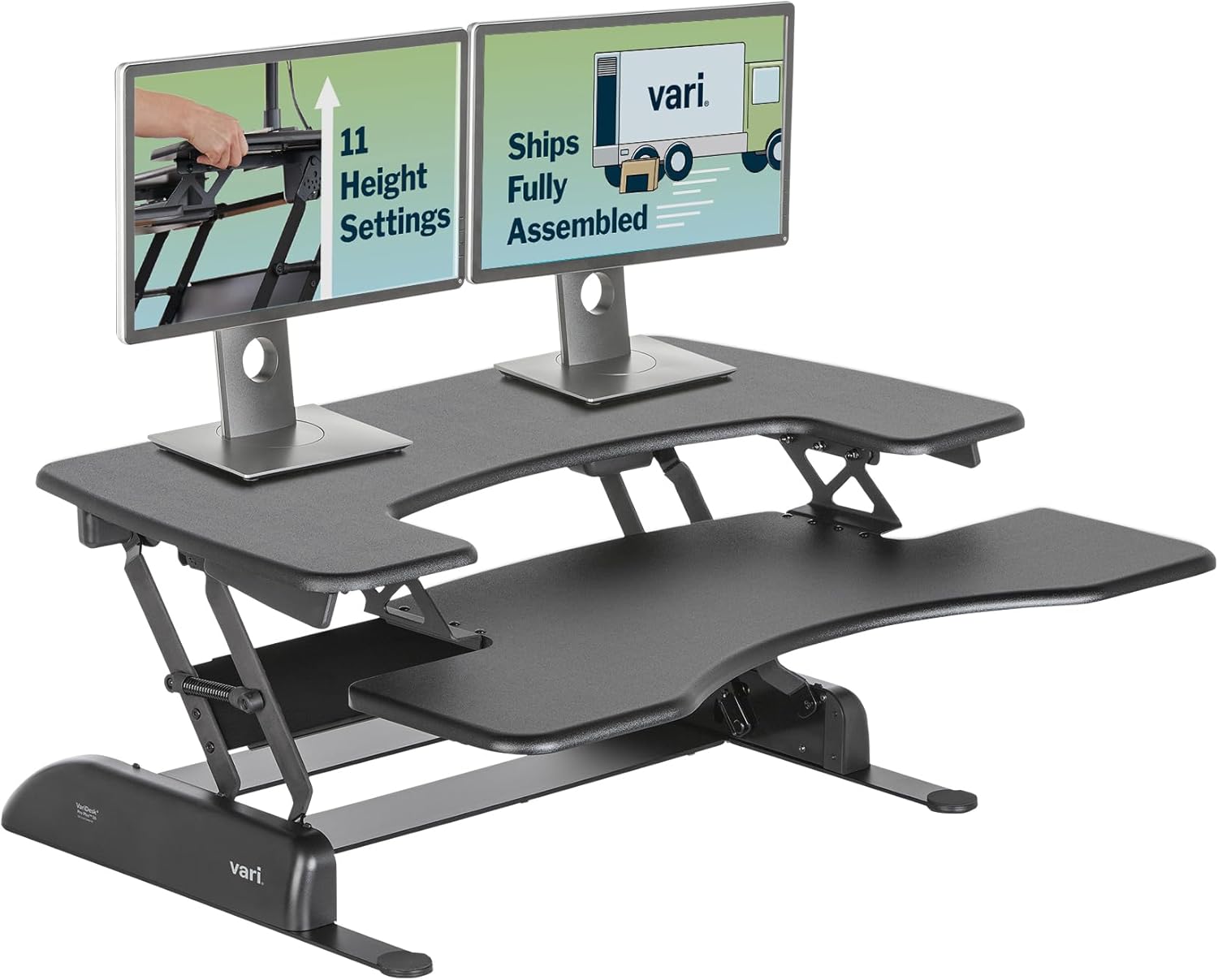
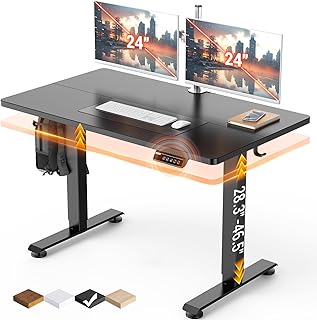
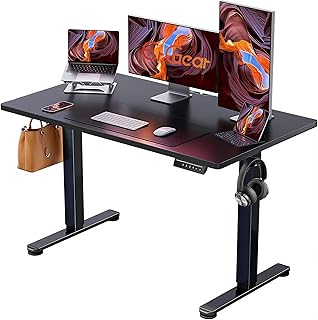
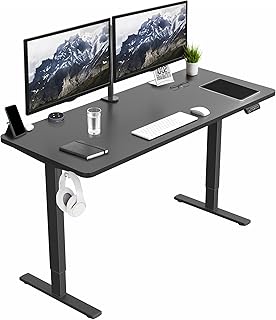
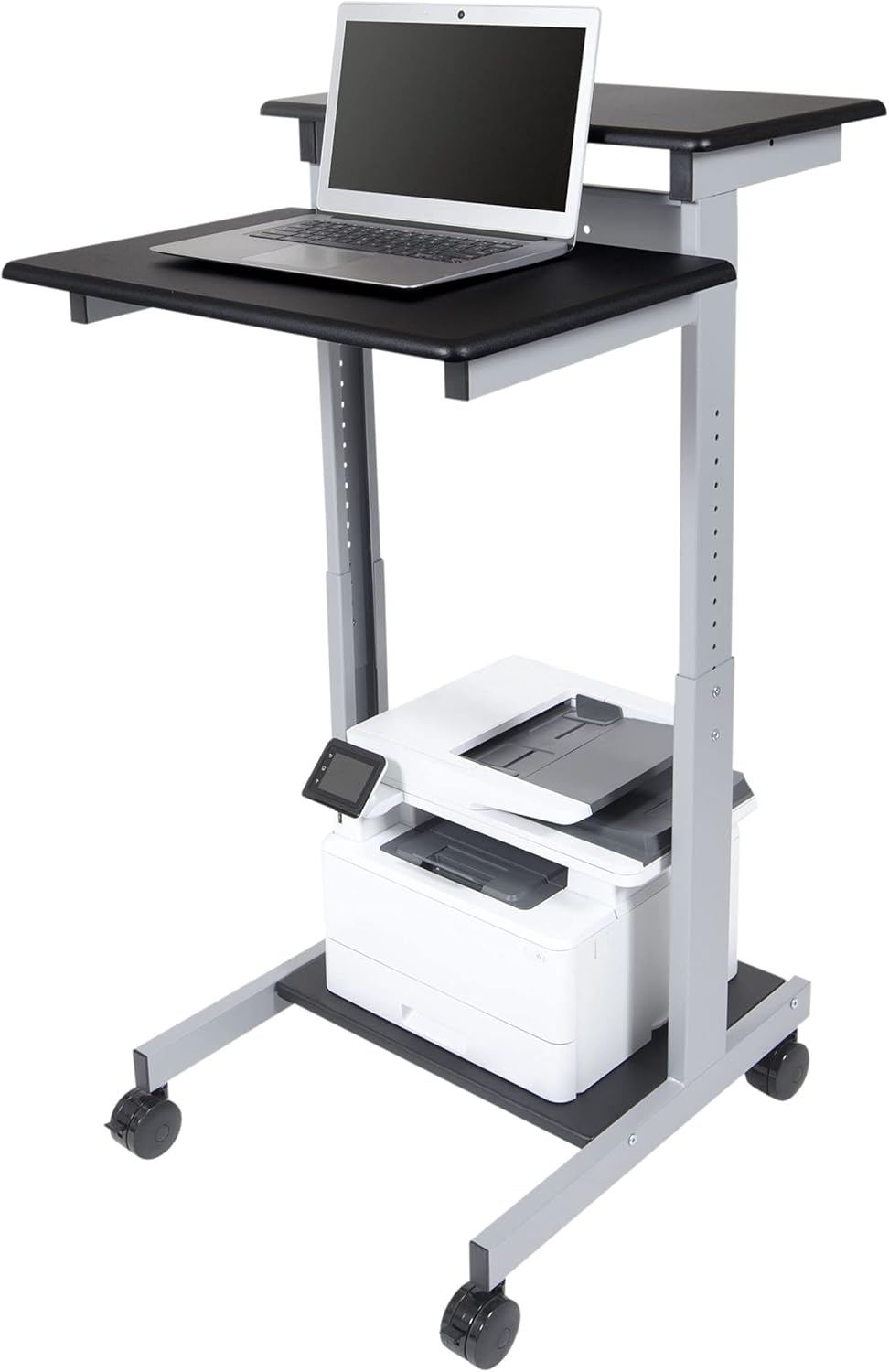
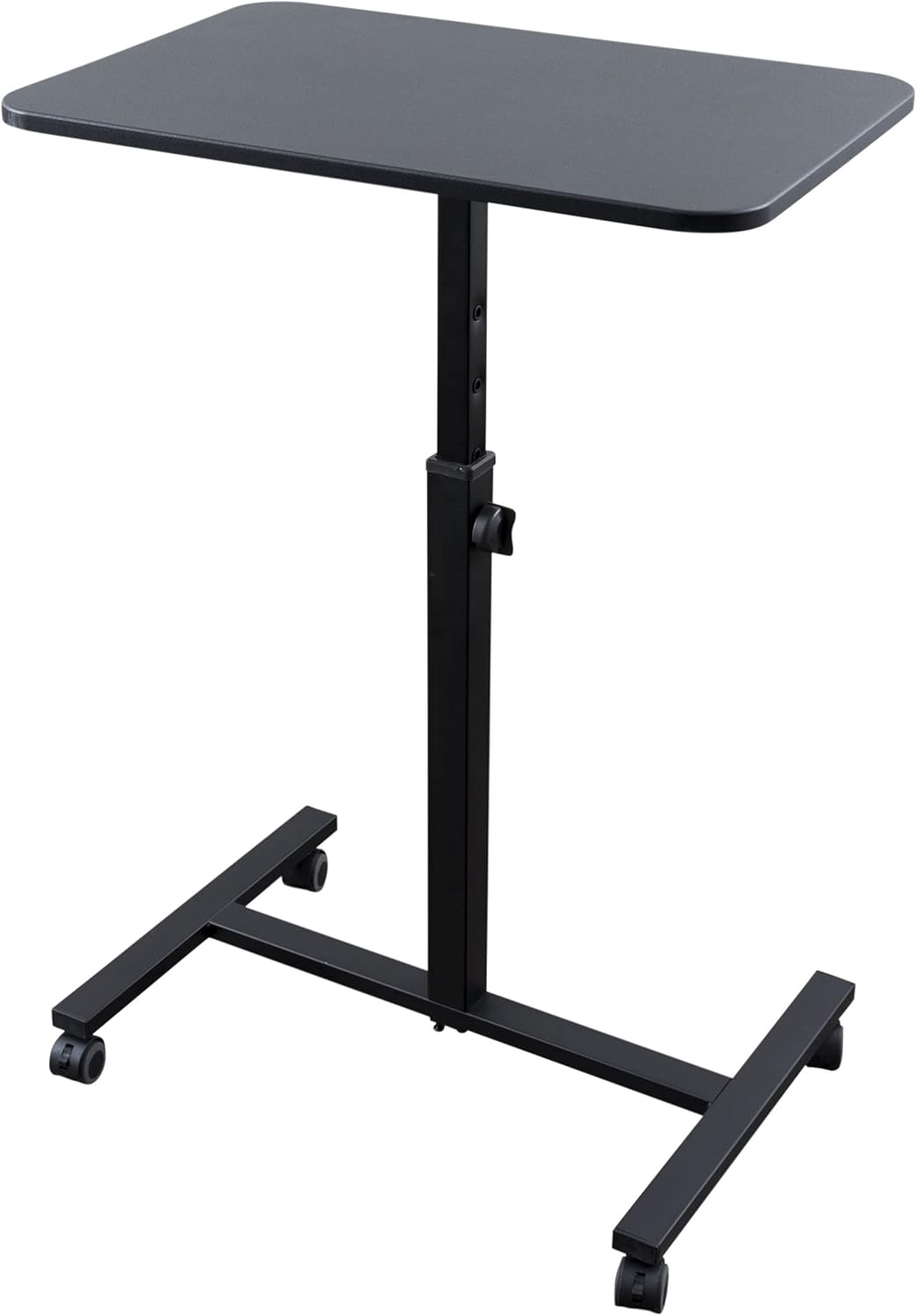
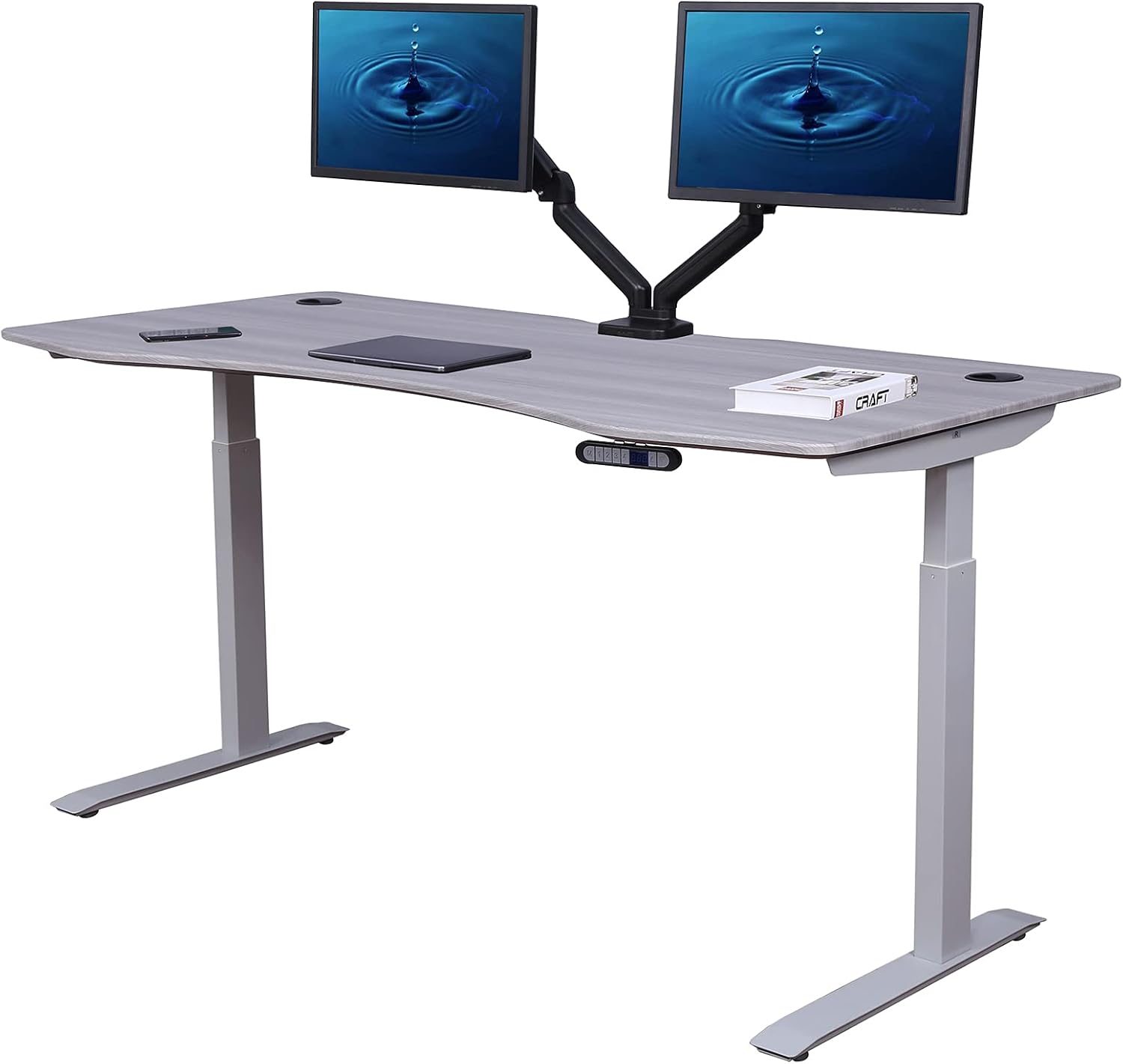
Some renters realize the Uplift V2 is overkill for their setup—it's a 130-pound beast designed for a permanent installation, and resale value drops fast once you've drilled the accessory holes. If you'd rather stop uplift v2 desk feet scratching hardwood floors by switching to a lighter, more renter-appropriate frame, three desks below ship with softer feet and lower frame weight that make floor protection trivial.
VIVO Electric 60 x 24 Standing Desk (Best Lightweight Alternative)
The VIVO Electric 60 x 24 uses a softer thermoplastic glide foot from the factory—still not perfect on hardwood, but noticeably less aggressive than the Uplift V2's edge profile. At under 90 lbs assembled, it's also genuinely solo-moveable, which matters if you reposition often or relocate apartments. Memory presets cover four height positions and the 220 lb capacity handles a multi-monitor setup. Check the VIVO 60x24 on Amazon.
Veken 47.2" Standing Desk (Smaller Footprint for Apartments)
The Veken 47.2" is a better fit for studio apartments or small rentals where you can't dedicate a 60-inch wall to a desk. The smaller foot plates spread less weight per square inch, which means even with stock glides the floor contact is gentler than a fully loaded Uplift V2. The solid wood desktop also weighs less than the Uplift's industrial laminate options. View the Veken 47.2" on Amazon.
ErGear 48 x 24 Electric Standing Desk (Budget Renter Pick)
If you've already damaged the floor and need to replace both the desk and the finish (a real renter scenario), the ErGear 48 x 24 cuts your replacement cost dramatically while shipping with felt-friendly foot plates that accept 3-inch stock pads without any cutting. Memory height and a quiet single-motor lift keep it usable for daily work. See the ErGear 48x24 on Amazon.
For a deeper breakdown, see our guide to Uplift V2 alternatives for renters and our complete standing desk floor protection guide.
Frequently Asked Questions
Will felt pads stop my Uplift V2 from rolling or shifting when I stand up?
5mm wool felt actually increases grip on hardwood because the fibers create thousands of micro-contact points. The desk will feel more stable, not less—a common surprise after install. The only time felt pads slip is on polished marble or sealed concrete, never hardwood.
Do I need to remove the stock Uplift V2 glide feet before applying felt pads?
No. Apply the felt pad directly over the existing glide surface, making sure the felt extends slightly past the glide perimeter so the sharp molded edge never makes contact with the floor. The pad becomes the new contact surface.
Can I use the Uplift desk on hardwood without anything at all if I never move it?
Even a stationary Uplift V2 will eventually leave compression marks where the glides sit—softened finish, flattened grain, sometimes a permanent gloss difference. Motor vibrations during height adjustments grind trapped dust into the wood over months. Plan for some form of protection even if the desk lives in one spot.
Are silicone furniture caps safe for engineered hardwood floors?
Felt-lined silicone caps are safe for engineered hardwood. Pure silicone caps can leave plasticizer residue on certain factory finishes—Bona-coated and aluminum-oxide-coated engineered planks especially. If you're not sure what finish your floor has, test a cap in a closet corner for a week before committing.
What about using cardboard or coasters under the Uplift V2 feet as a quick fix?
Don't. Cardboard absorbs moisture from spills and from the floor itself, which can transfer adhesives, dyes, or warping pressure to your hardwood. Coasters concentrate the load further into a smaller patch and accelerate the damage. Spend the $12 on proper felt pads.
How do I get my security deposit back if my Uplift already scratched the floor?
Document the scratches with timestamped photos the day you notice them, then get two written quotes from licensed flooring contractors for spot-refinishing versus full-plank replacement. In most states, landlords can only charge actual repair cost—a single board's worth of spot work runs $150–400. Knowing the real number before the move-out walkthrough keeps the deduction reasonable.
Will the Uplift V2 warranty cover floor damage caused by their stock glides?
No. The Uplift warranty explicitly excludes consequential damages to surrounding surfaces, and the user manual instructs buyers to protect their flooring with mats or felt. This is industry-standard language—every major standing desk manufacturer disclaims it. The responsibility falls on the user, which is exactly why this article exists.
The bottom line for renters in 2026: spend $15 on 5mm felt pads and another $80–150 on a low-pile rug, and you'll fully stop uplift v2 desk feet scratching hardwood floors for the entire length of your lease. It's the cheapest insurance policy in the ergonomic-accessory aisle.
Key Takeaways
- Choosing the right stop uplift v2 desk feet scratching hardwood floors means matching capacity and output ports to your actual devices
- Always check actual watt-hours (Wh), not just watts — runtime depends on Wh, not peak output
- Also covers: uplift desk feet scratching wood floor
- Also covers: protect hardwood floor under standing desk
- Also covers: uplift v2 glide feet floor damage
- Compare price-per-Wh across models to find the best value for your budget